Acupuncture and moxibustion of traditional Chinese medicine
Acupuncture and moxibustion are practices of traditional Chinese medicine that use points on the body, needles, heat and diagnostic knowledge to support balance and care.
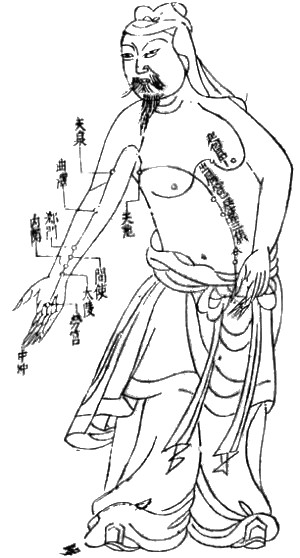
Image: Acupuncture chart 300px, by Unknown author, source, Public domain
Simple explanation
Acupuncture uses fine needles at selected points, while moxibustion warms points with burning moxa made from mugwort. Practitioners choose points according to inherited theories of the body and the patient's condition.
History
These practices are rooted in long medical traditions recorded in classical Chinese texts and transmitted through teachers, clinics and families. Over time they became part of broader East Asian medical knowledge and are now practiced in many countries. Training requires memorizing point locations, learning diagnostic methods and developing careful hand technique.
Why it matters
They matter because they preserve a medical worldview built around observation, touch, heat, timing and relationships within the body. The tradition also shows how specialized knowledge can move between family practice, formal education and public healthcare.
Source credibility
Core facts, UNESCO year, source link and image credit have been reviewed.
- Source link
- https://ich.unesco.org/en/RL/acupuncture-and-moxibustion-of-traditional-chinese-medicine-00425
- Image copyright
- Acupuncture chart 300px · Unknown author · Public domain · Source
- Verification status
- Verified
- UNESCO year
- 2010
Body knowledge and methods
Acupuncture and moxibustion are based on a traditional understanding of the body in which points, channels, warmth, movement and balance are all meaningful. The practice is not limited to inserting needles; it includes diagnosis, selection of points, choice of technique, observation of response and adjustment over time.
Acupuncture uses fine needles at selected points, while moxibustion applies heat from burning moxa, usually made from mugwort. Practitioners may combine needling, warming, pressure or other related methods depending on the condition and the school of practice.
Training and clinical judgment
Training requires memorizing point locations and learning how they relate to symptoms, bodily regions and classical theories. Students also learn pulse reading, observation, questioning and palpation, because the technique is guided by a diagnosis rather than by point location alone.
Hand skill is central. The depth, angle and manipulation of a needle, or the distance and duration of moxa heat, must be carefully controlled. Much of this judgment is learned through supervised practice and correction by experienced practitioners.
Transmission and social role
The knowledge has been transmitted through medical families, master-disciple relationships, clinics, written classics and modern institutions. It has also travelled beyond China and become part of medical practice and public discussion in many parts of the world.
In cultural terms, acupuncture and moxibustion show how medical knowledge can be both technical and philosophical. The practitioner works with the body as a connected system, and the patient participates through attention to symptoms, habits, seasons and recovery.
Safeguarding concerns
Safeguarding involves maintaining rigorous training and avoiding the reduction of the tradition to a simplified wellness image. Because the practice concerns health, responsible transmission also requires ethical standards, safety, hygiene and clear professional education.
Documentation, clinical teaching, historical research and public explanation all matter. The challenge is to preserve traditional concepts and hand techniques while allowing careful dialogue with contemporary medical systems.
Explore similar heritage
Similar heritage to explore next
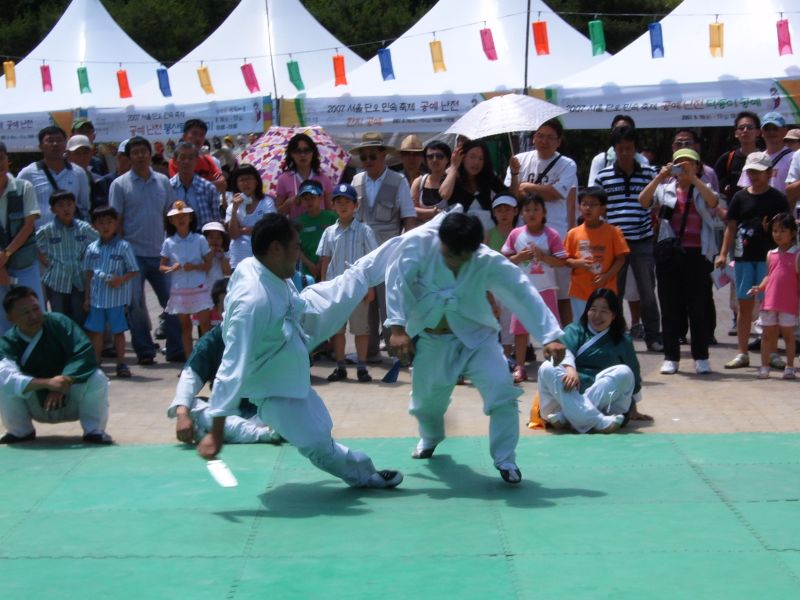
Taekkyeon
Taekkyeon is a living knowledge and social practice tradition associated with Korea and documented through UNESCO intangible cultural heritage resources.
View details
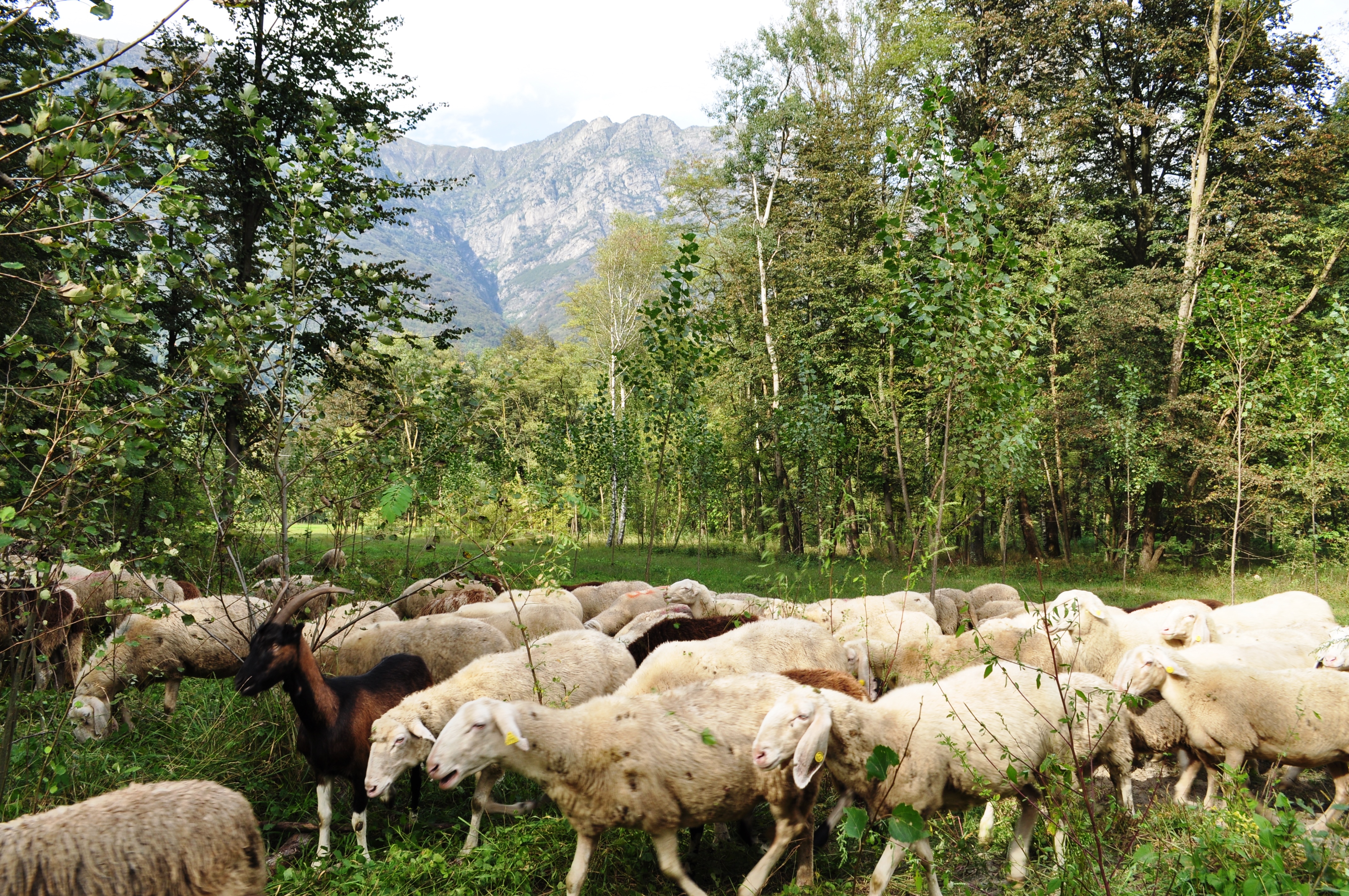
Transhumance in Italy
Transhumance in Italy is a living knowledge and social practice tradition associated with Italy and documented through UNESCO intangible cultural heritage resources.
View details
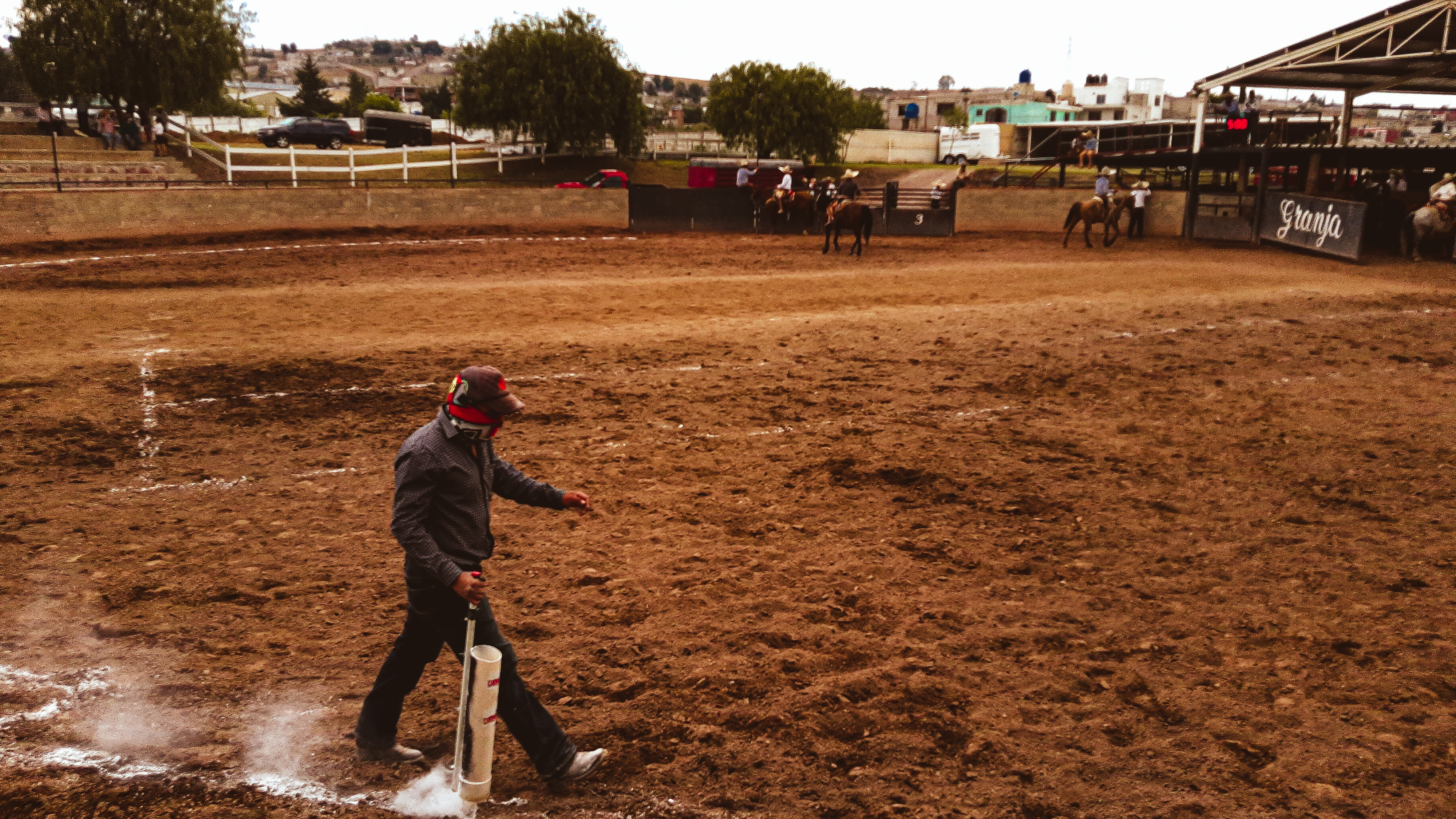
Charreria
Charreria is a living knowledge and social practice tradition associated with Mexico and documented through UNESCO intangible cultural heritage resources.
View details
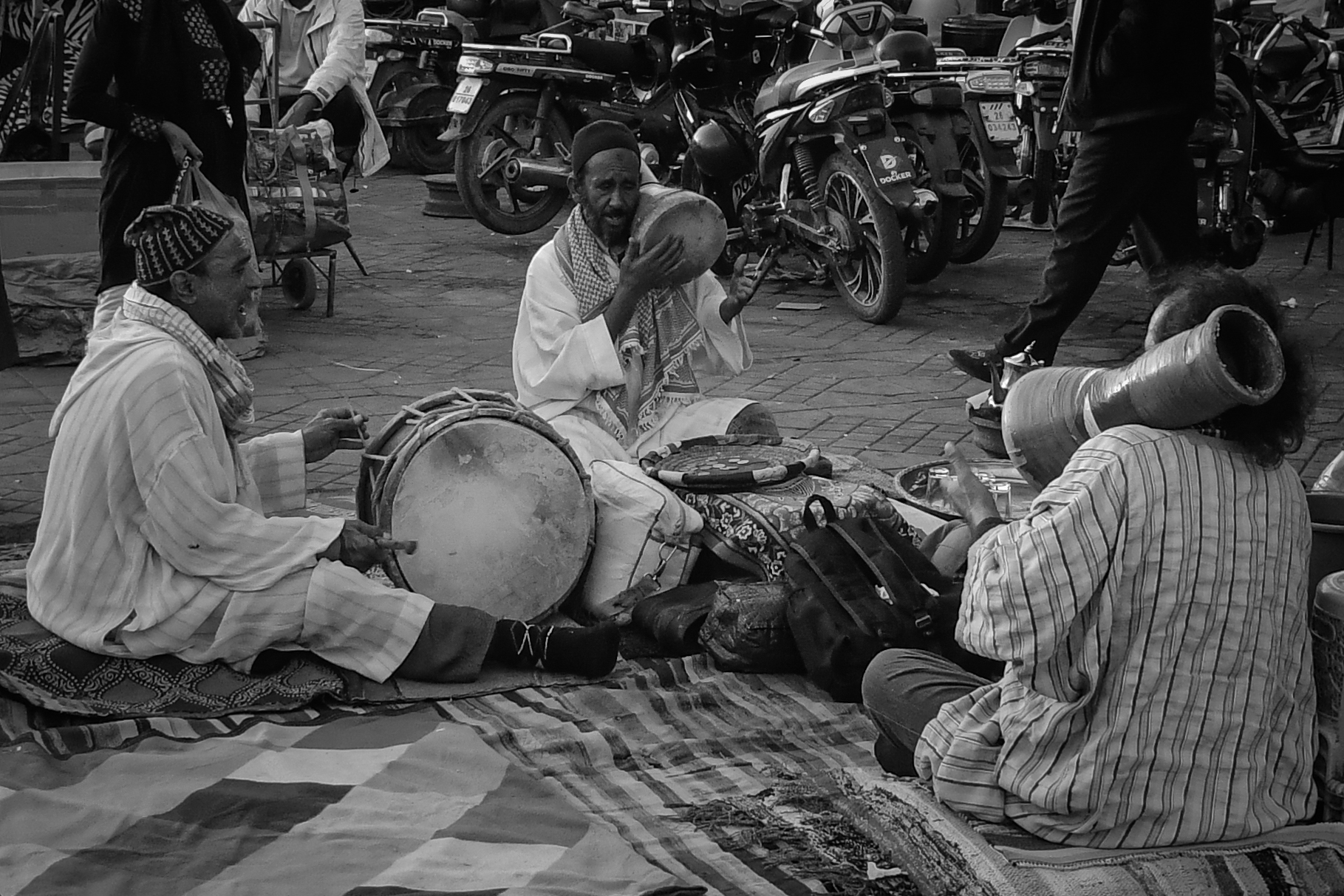
Cultural space of Jemaa el-Fna Square
This entry is published with source metadata but has not completed manual review.
Cultural space of Jemaa el-Fna Square is a living knowledge and social practice tradition associated with Morocco and documented through UNESCO intangible cultural heritage resources.
View details