Chinese calligraphy
Chinese calligraphy treats writing as both communication and art, turning brush pressure, rhythm, ink density and character structure into a visible expression of training and temperament.
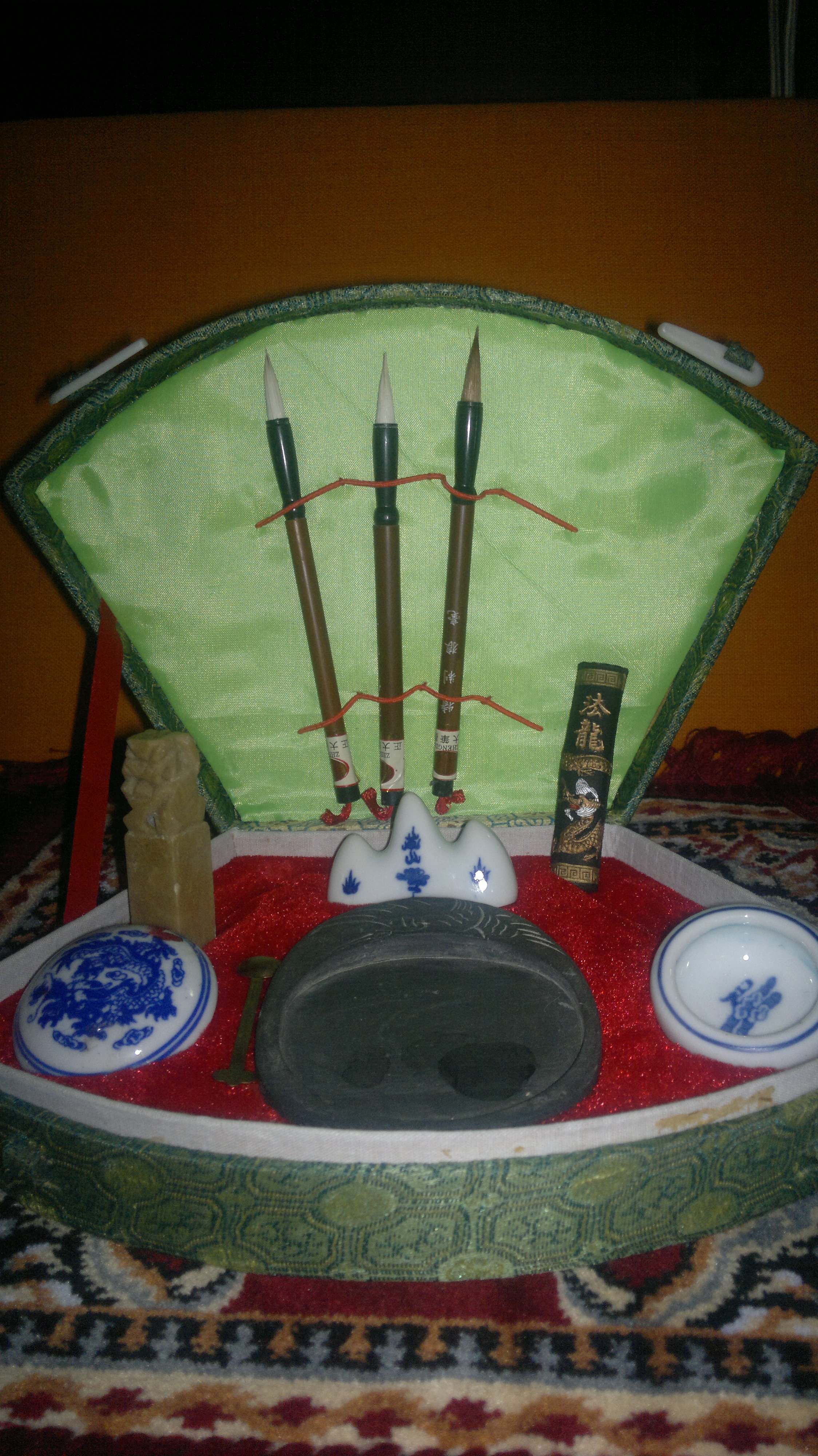
Image: Four treasures of the study, by Tarunpant, source, CC BY-SA 3.0
Simple explanation
At its simplest, calligraphy is writing with a brush. But the important part is how the brush moves: a line can feel calm, forceful, dry, flowing, balanced or sudden. The finished characters record the movement of the hand.
History
Calligraphy grew from ancient Chinese writing systems and became central to education, official culture and personal cultivation. Different scripts, including seal, clerical, regular, running and cursive styles, preserve different historical tastes and technical demands. Copying classical models remains a key way to learn, but skilled calligraphers also develop a personal rhythm within inherited rules.
Why it matters
It matters because it keeps writing connected to bodily practice and aesthetic judgment. Chinese calligraphy also links language, paper, ink, tools and self-cultivation, so it remains meaningful in schools, studios, ceremonies and contemporary art.
Source credibility
Core facts, UNESCO year, source link and image credit have been reviewed.
- Image copyright
- Four treasures of the study · Tarunpant · CC BY-SA 3.0 · Source
- Verification status
- Verified
- UNESCO year
- 2009
Practice and materials
Chinese calligraphy depends on the relationship between body, tool and surface. The brush, ink, inkstone and paper are often called the four treasures of the study, but their value is practical as much as symbolic. A soft brush records pressure, speed and hesitation immediately, so a line can reveal the writer's control, mood and training.
The practice includes preparing ink, holding the brush upright, arranging the body, judging blank space and shaping characters according to inherited models. Even when the written words are familiar, the calligraphic work is judged by rhythm, balance, force, continuity and the living quality of each stroke.
Scripts and learning methods
Different scripts preserve different historical layers of Chinese writing. Seal script emphasizes ancient forms and symmetry; clerical script has broad, wave-like strokes; regular script values structure and discipline; running and cursive scripts allow greater speed, connection and personal expression.
Training usually begins with copying respected models. Students repeat single strokes, radicals, characters and whole inscriptions until movement becomes reliable. This copying is not mere imitation: it teaches proportion, energy and timing, giving later personal expression a shared foundation.
Social use and meaning
Calligraphy has long been connected to education, official life, literature, painting, religion and personal cultivation. It appears on scrolls, couplets, plaques, letters, seals, temple inscriptions and contemporary artworks. In many settings, a handwritten piece carries the presence of the person who wrote it.
Because calligraphy makes writing visible as movement, it links language with ethics and self-discipline. A work can be appreciated for beauty, but also for evidence of patience, restraint, vitality or scholarly character.
Transmission today
The tradition is transmitted through families, schools, art academies, calligraphy associations and private studios. Children may learn basic brush writing, while advanced practitioners study historical masters and develop their own style over many years.
Digital life has reduced everyday handwriting, but it has also made calligraphy more visible through exhibitions, public classes and online sharing. Safeguarding the practice means keeping both technical training and cultural understanding alive, so that calligraphy remains more than decorative lettering.
Explore similar heritage
Similar heritage to explore next
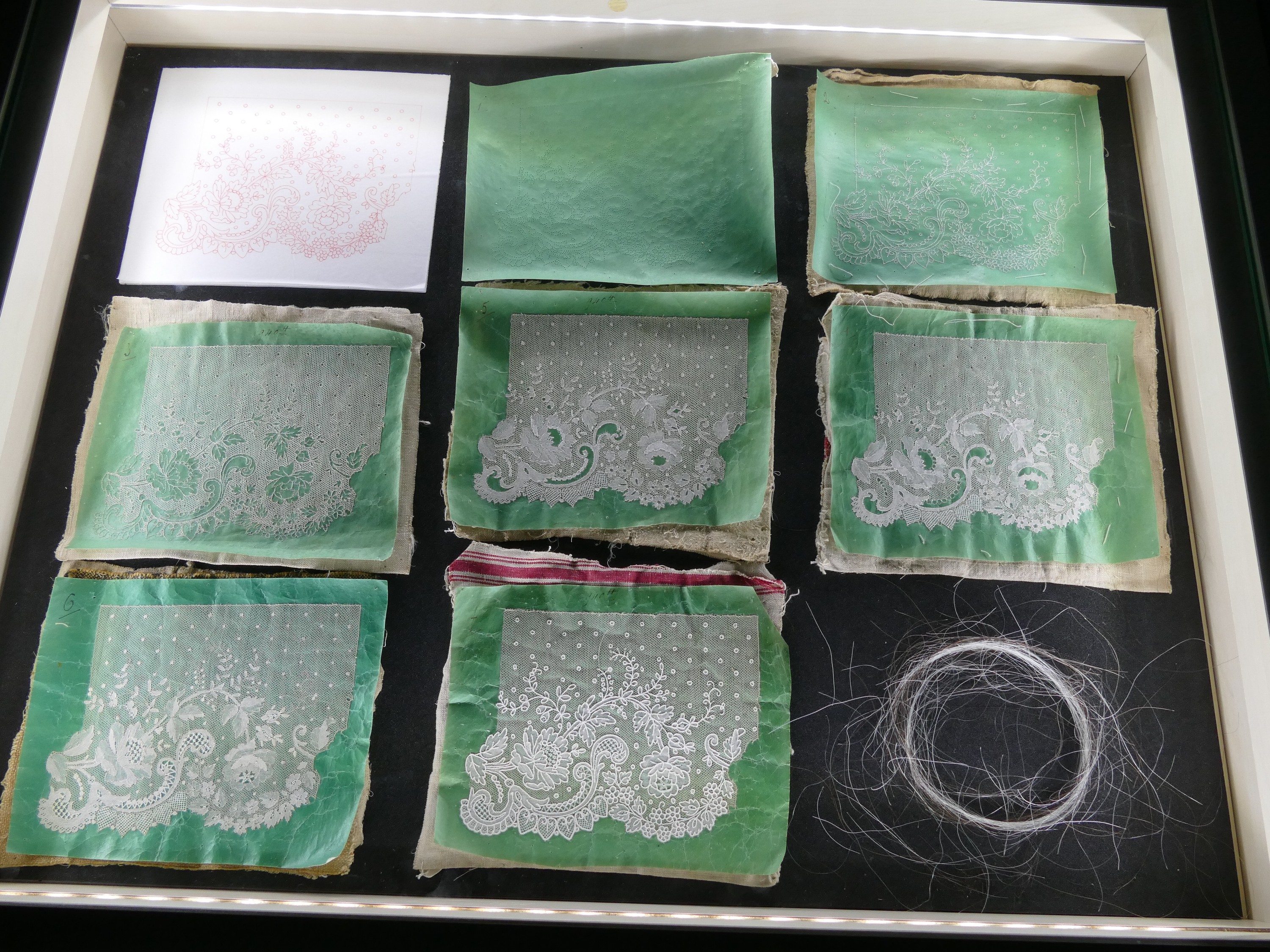
Alençon needle lace-making
Alençon needle lace-making is a living craft tradition associated with France and documented through UNESCO intangible cultural heritage resources.
View details
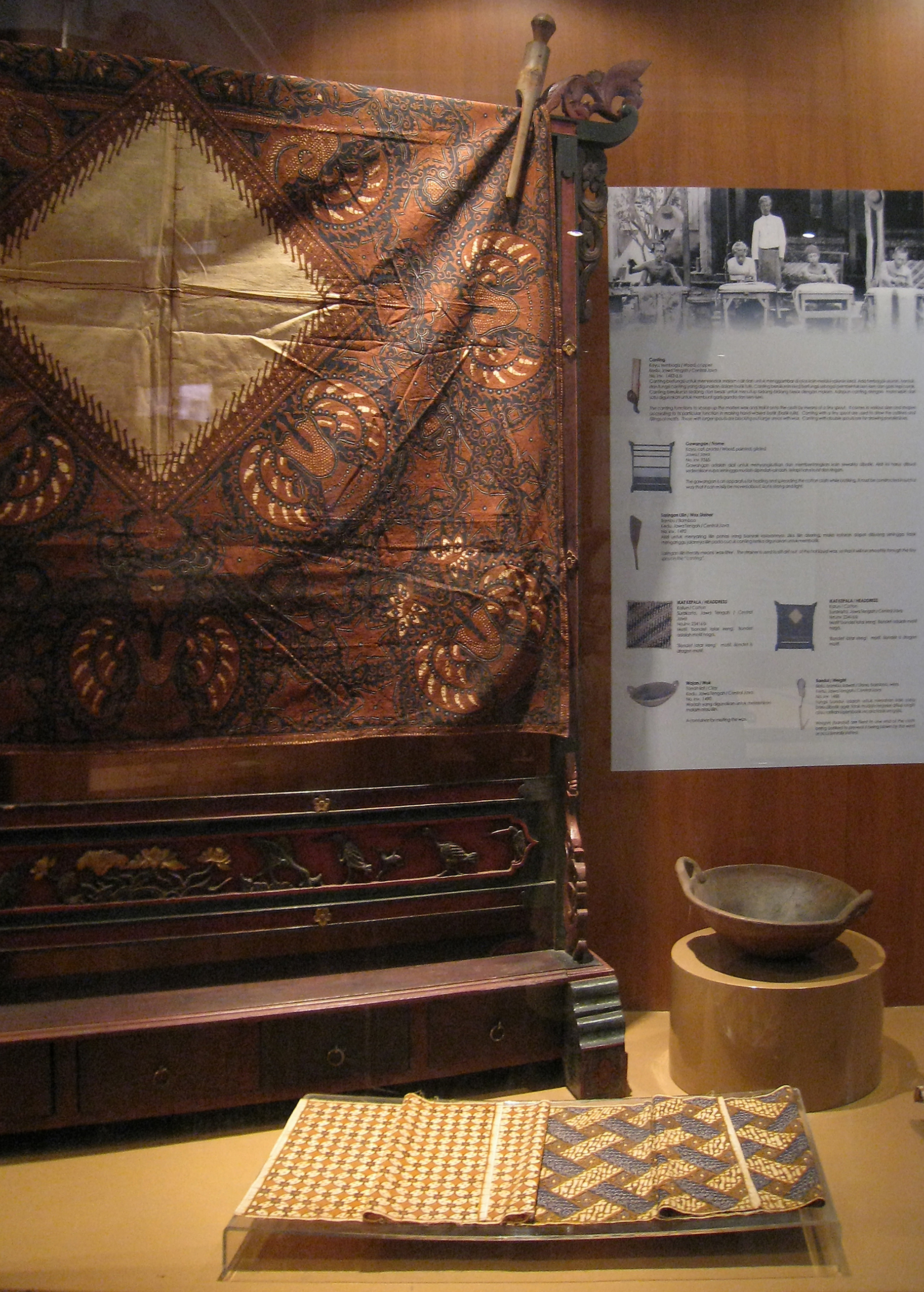
Indonesian Batik
Indonesian Batik is a living craft tradition associated with Indonesia and documented through UNESCO intangible cultural heritage resources.
View details
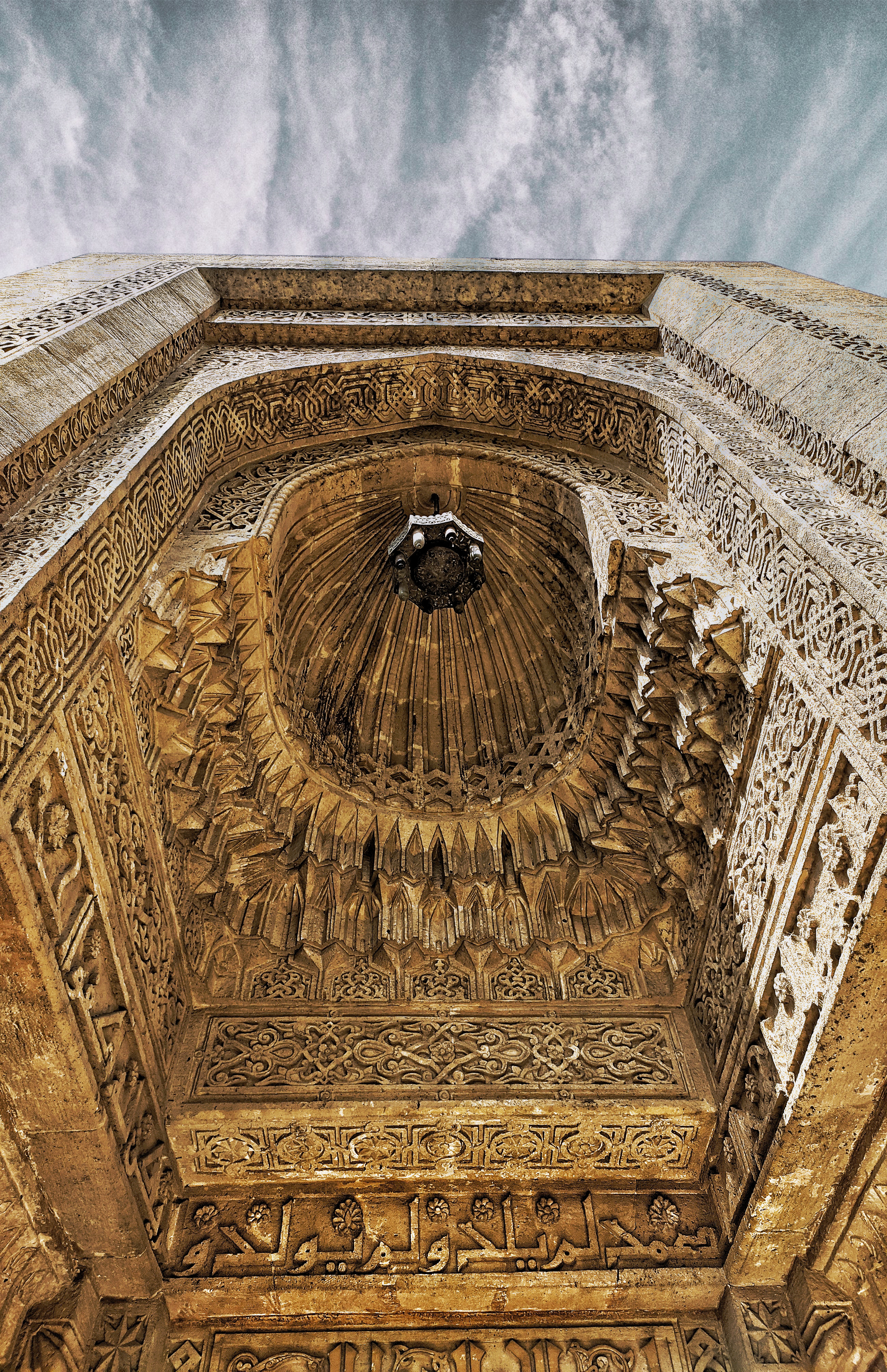
Arabic calligraphy in Egypt
This entry is published with source metadata but has not completed manual review.
Arabic calligraphy in Egypt is a living craft tradition associated with Egypt and documented through UNESCO intangible cultural heritage resources.
View details

Traditional craftsmanship of the Mongol Ger
This entry is published with source metadata but has not completed manual review.
Traditional craftsmanship of the Mongol Ger is a living craft tradition associated with Mongolia and documented through UNESCO intangible cultural heritage resources.
View details