Traditional craftsmanship of Chinese tea
Traditional Chinese tea craftsmanship covers the knowledge of cultivating, processing, preparing and sharing tea across many regions, tea types and social settings.
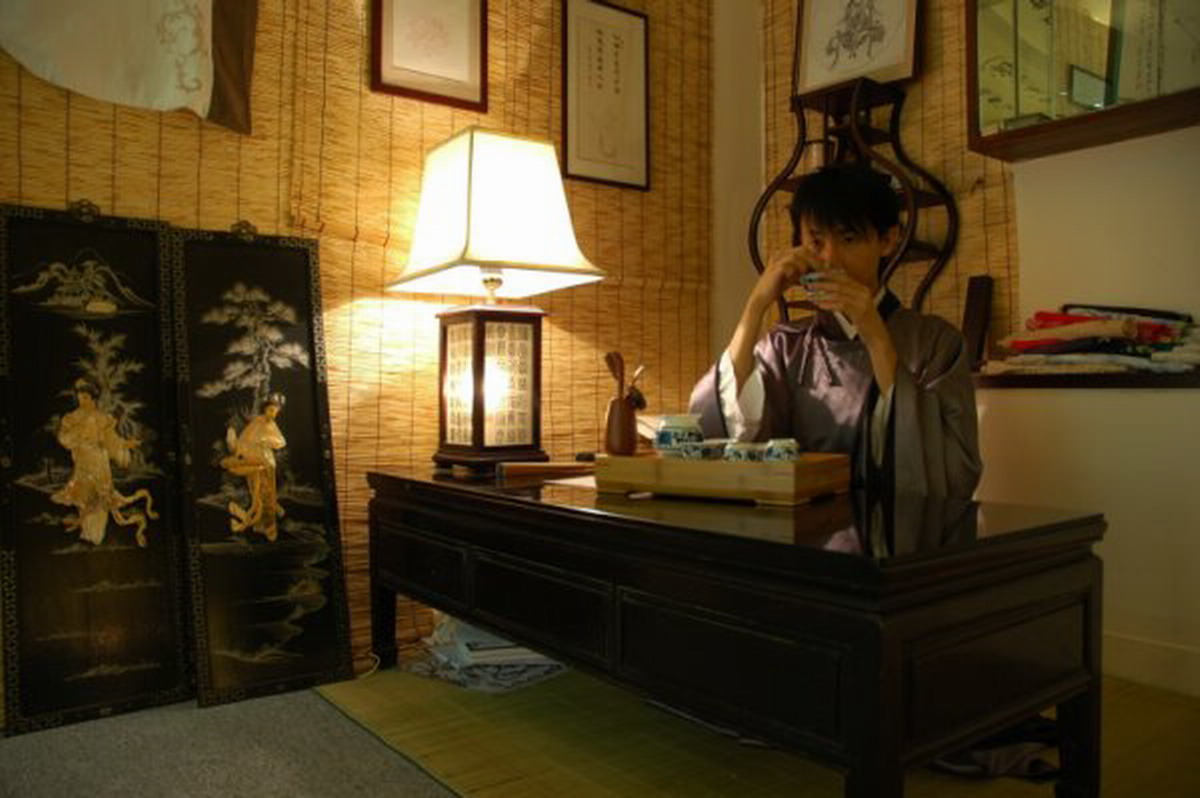
Image: Chinese tea ceremony2, by Ws227, source, CC BY-SA 3.0
Simple explanation
This heritage is not only about drinking tea. It includes when leaves are picked, how they are withered, fired, rolled or fermented, how water and vessels are chosen, and how tea becomes part of hospitality.
History
Tea culture in China has developed over many centuries, shaped by agriculture, trade, regional taste and scholarly life. Green, black, oolong, white, yellow and dark teas all require different processing skills. Local communities, tea masters and families continue to pass on knowledge through workshops, markets, ceremonies and everyday serving practices.
Why it matters
It matters because tea connects landscape, labor and social life. A cup of tea can carry knowledge about seasons, plants, craft timing, etiquette and regional identity, making the tradition both ordinary and deeply layered.
Source credibility
Core facts, UNESCO year, source link and image credit have been reviewed.
- Image copyright
- Chinese tea ceremony2 · Ws227 · CC BY-SA 3.0 · Source
- Verification status
- Verified
- UNESCO year
- 2022
Range of knowledge
Traditional Chinese tea craftsmanship covers a wide chain of knowledge: choosing tea varieties, managing tea gardens, judging weather and picking time, processing fresh leaves and preparing tea for guests. It is both agricultural knowledge and social practice.
Different teas require different handling. Green tea may emphasize preventing oxidation, oolong tea depends on controlled bruising and partial oxidation, dark tea requires fermentation or post-fermentation, and other tea types have their own local standards. Small changes in heat, moisture and timing can alter aroma and taste.
Making and tasting
Processing can include withering, fixing, rolling, drying, scenting, fermenting, compressing or aging, depending on the tea. Skilled makers learn through smell, touch, sound and visual judgment rather than fixed measurements alone.
Tea preparation also has cultural rules. Water temperature, vessel material, leaf quantity, pouring order and serving rhythm affect the experience. In homes, tea houses and ceremonies, preparing tea can become a way to show attention and respect.
Communities and regions
The tradition is distributed across many Chinese regions, each with distinctive landscapes, plants, tools and taste preferences. Mountain villages, family workshops, cooperatives, merchants and tea masters all participate in keeping knowledge active.
Tea also connects everyday life with hospitality, festivals, business meetings and personal reflection. It can be an ordinary drink, a craft product, a gift, a ritual offering or a marker of regional identity.
Contemporary safeguarding
Challenges include industrial standardization, loss of small-scale knowledge, environmental pressure on tea landscapes and simplified marketing that turns complex traditions into slogans.
Safeguarding requires support for tea-growing communities, documentation of processing methods, training for younger makers, ecological care of tea landscapes and public education that explains the difference between a product label and the living knowledge behind it.
Explore similar heritage
Similar heritage to explore next
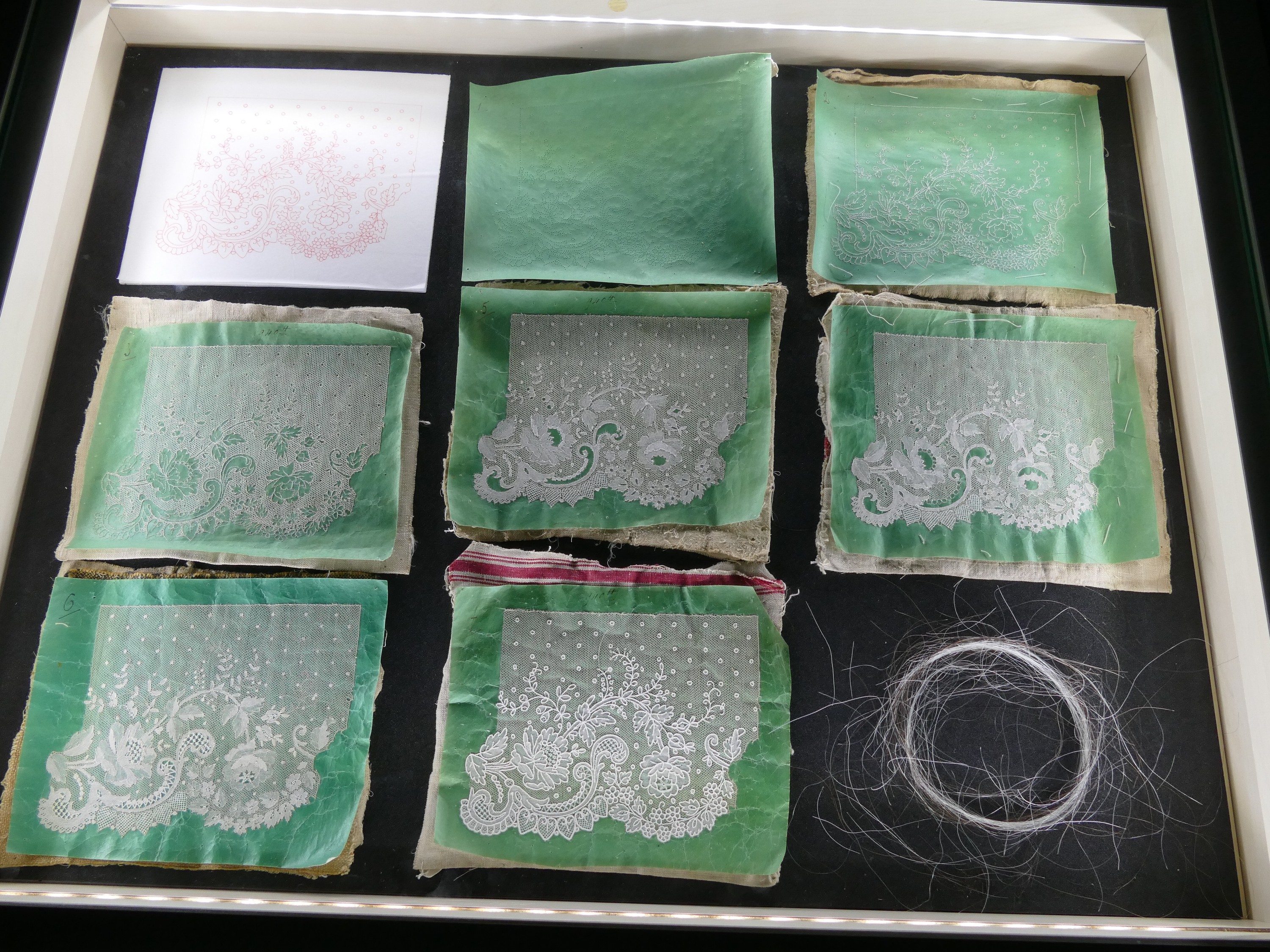
Alençon needle lace-making
Alençon needle lace-making is a living craft tradition associated with France and documented through UNESCO intangible cultural heritage resources.
View details
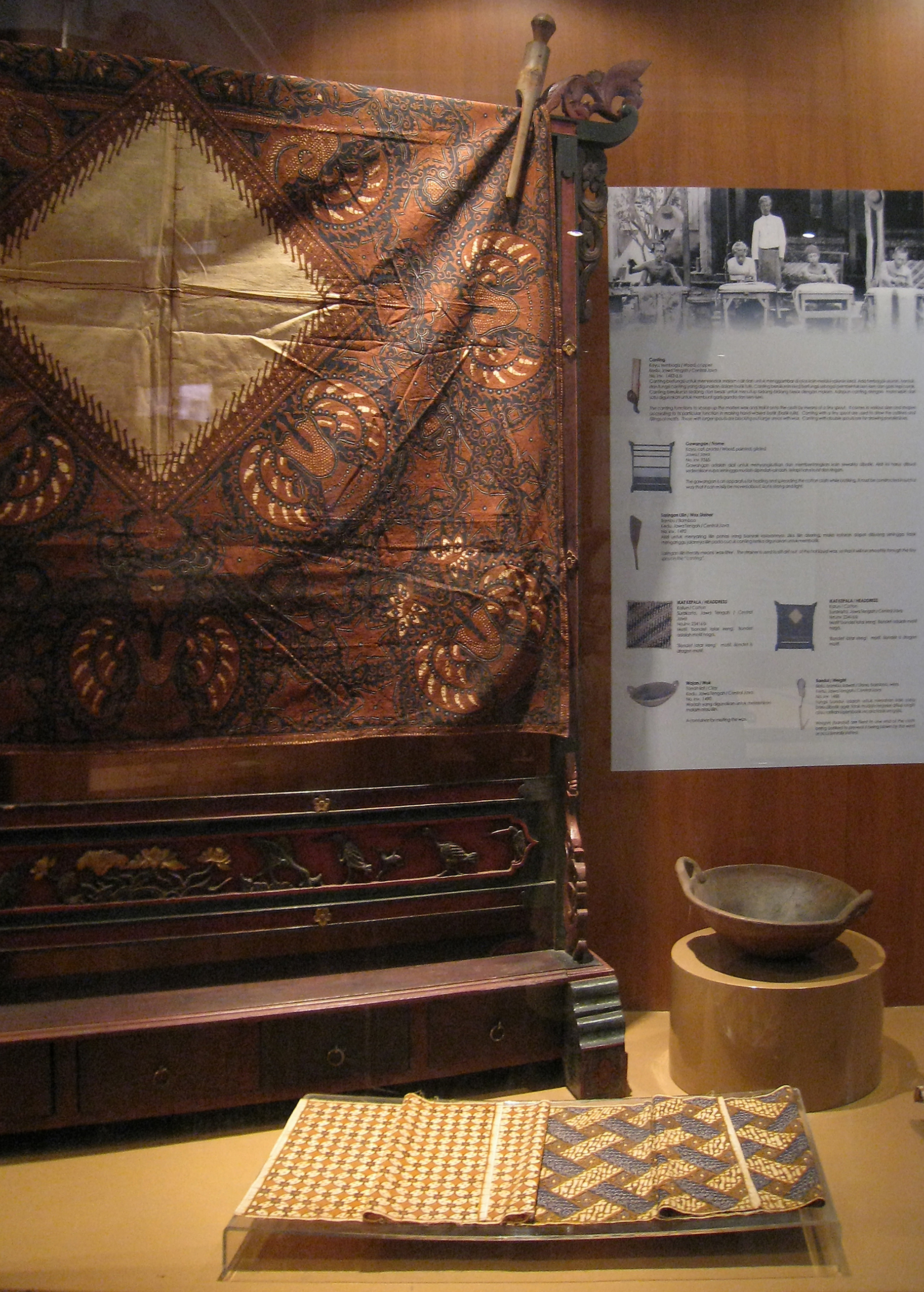
Indonesian Batik
Indonesian Batik is a living craft tradition associated with Indonesia and documented through UNESCO intangible cultural heritage resources.
View details
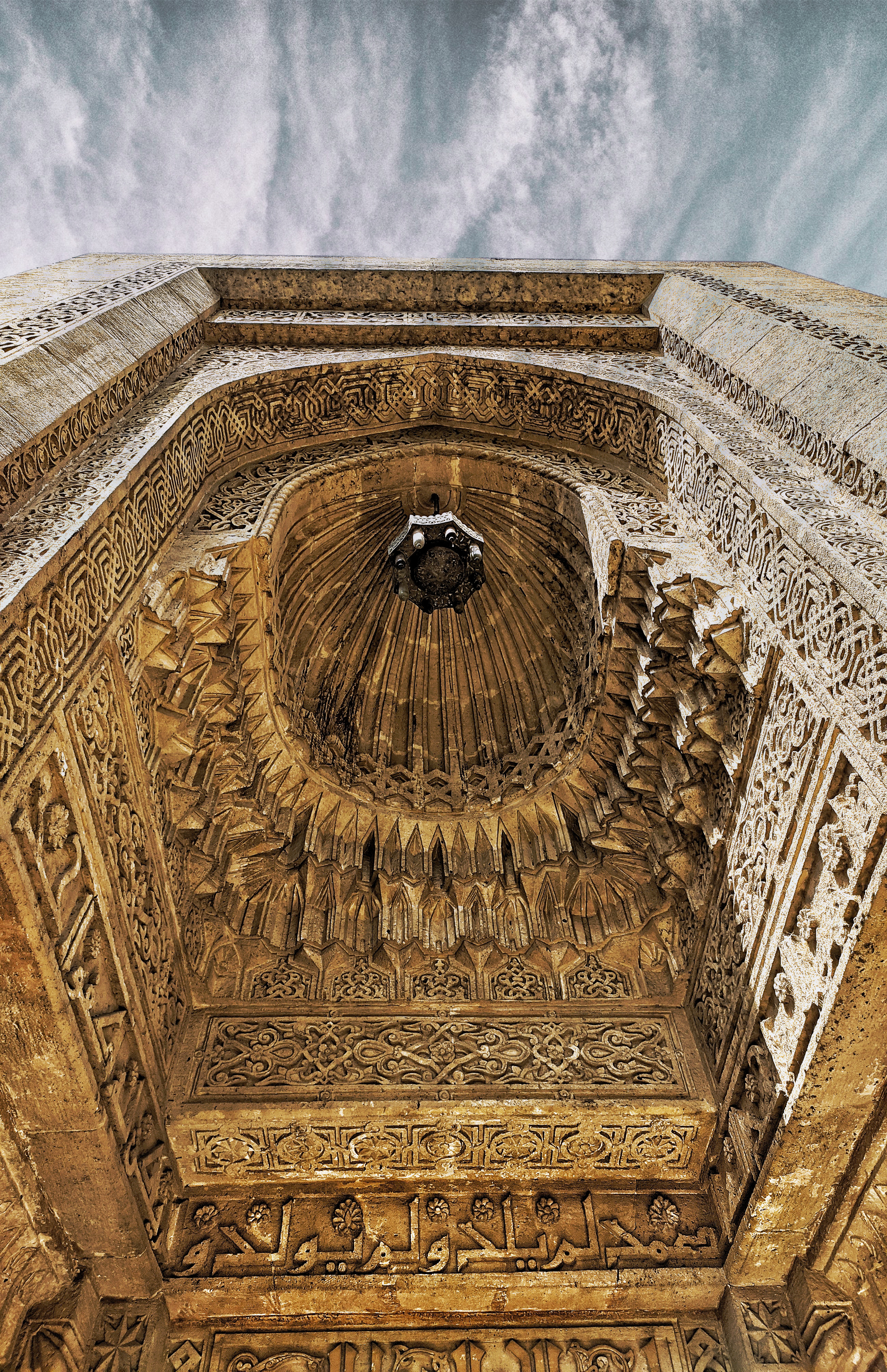
Arabic calligraphy in Egypt
This entry is published with source metadata but has not completed manual review.
Arabic calligraphy in Egypt is a living craft tradition associated with Egypt and documented through UNESCO intangible cultural heritage resources.
View details

Traditional craftsmanship of the Mongol Ger
This entry is published with source metadata but has not completed manual review.
Traditional craftsmanship of the Mongol Ger is a living craft tradition associated with Mongolia and documented through UNESCO intangible cultural heritage resources.
View details