Dragon Boat Festival
The Dragon Boat Festival is a Chinese seasonal festival marked by boat races, rice dumplings, protective customs and stories of loyalty, health and community memory.
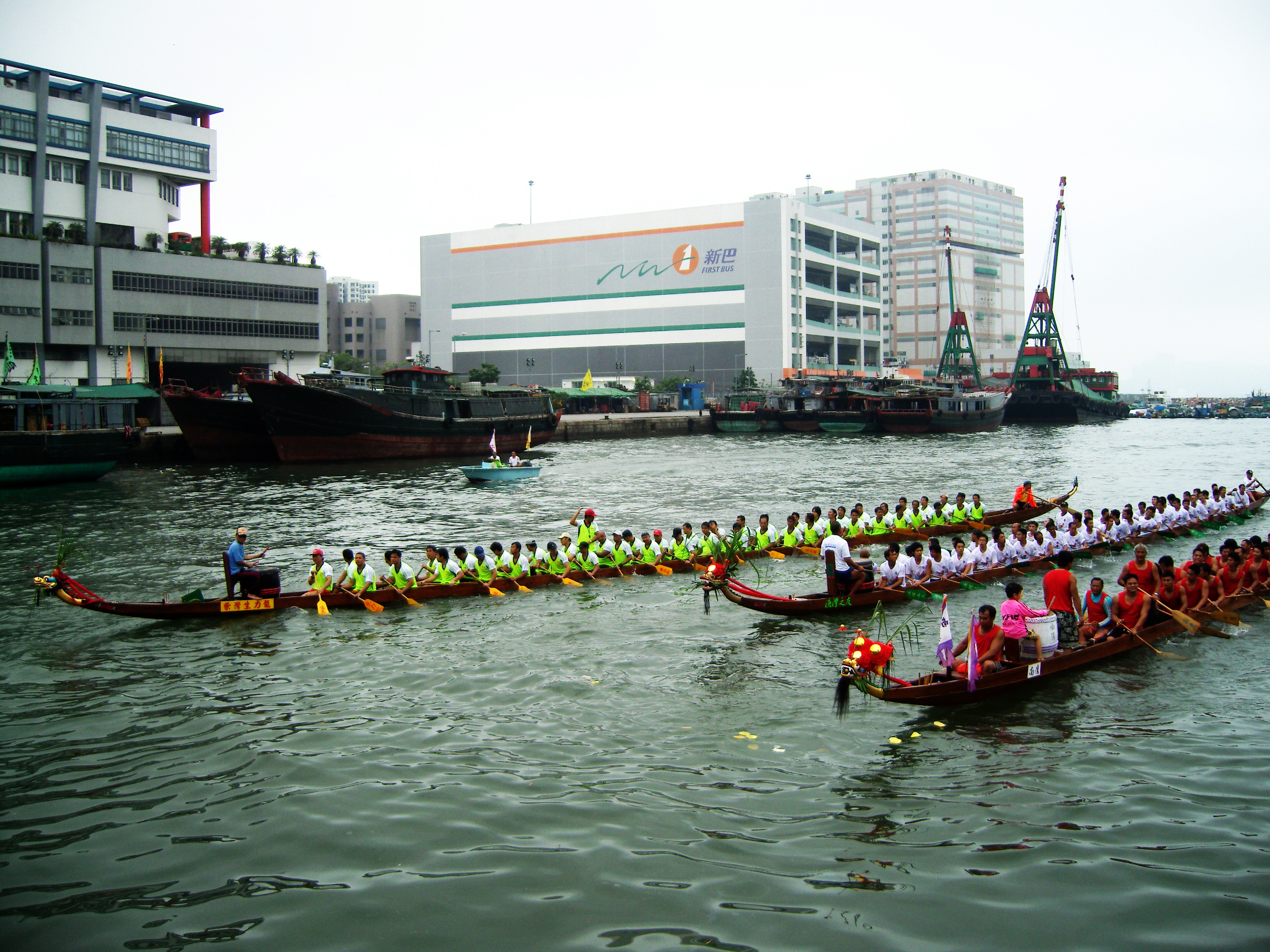
Image: Eastern District Dragon Boat Race, by Stewart, source, CC BY 3.0
Simple explanation
The most visible image is teams paddling long dragon-shaped boats to the rhythm of drums. Families may also eat zongzi, hang aromatic herbs and observe customs meant to protect health in early summer.
History
The festival falls on the fifth day of the fifth lunar month and brings together several layers of tradition. Stories about the poet Qu Yuan are widely known, but regional customs also include water rituals, local deities, food preparation and practices for avoiding illness during hot, humid weather. Dragon boat racing has become both a community ritual and a modern sporting event.
Why it matters
It matters because the festival turns seasonal change into shared action. Food, racing, storytelling and protective customs give families and communities a way to remember the past while gathering in public life each year.
Source credibility
Core facts, UNESCO year, source link and image credit have been reviewed.
- Source link
- https://ich.unesco.org/en/RL/00225
- Image copyright
- Eastern District Dragon Boat Race · Stewart · CC BY 3.0 · Source
- Verification status
- Verified
- UNESCO year
- 2009
Festival practices
The Dragon Boat Festival brings together racing, food, household customs, seasonal protection and public gathering. Dragon boat races are the most visible practice, with teams paddling to drum rhythms in long boats decorated with dragon heads and tails.
Families often prepare or eat zongzi, sticky rice dumplings wrapped in leaves, and may hang aromatic plants, wear scented sachets or observe customs associated with health and protection. These practices mark the arrival of hot, humid weather and the need to care for the body and home.
Stories and regional variation
The story of Qu Yuan, the loyal poet-official who drowned himself in the Miluo River, is the best-known explanation for the festival. Yet the festival is older and broader than one story. Across regions, it may involve water rituals, local heroes, dragon beliefs, ancestor memory and practices for avoiding illness.
This layered character is important. The same festival can be patriotic, familial, seasonal, religious, athletic and culinary depending on the community. Local variations keep the festival from becoming a single fixed script.
Community organization
Dragon boat racing requires collective preparation. Boats must be built, stored or repaired; teams train together; drummers, steersmen and paddlers coordinate; and local organizers manage routes, safety and ceremony. The event turns waterways into public cultural space.
Food preparation also carries memory. Families teach younger members how to fold leaves, tie zongzi and choose fillings. Through repeated annual work, the festival becomes a way of transmitting skills, stories and family taste.
Contemporary meaning
Today the Dragon Boat Festival is practiced in villages, cities and diaspora communities. Some races are competitive sporting events, while others remain closely tied to local ritual and neighborhood identity.
Safeguarding the festival means supporting both public celebration and smaller household customs. Its value lies in the combination: boats, food, stories, seasonal knowledge and community cooperation all work together to keep the festival alive.
Explore similar heritage
Similar heritage to explore next
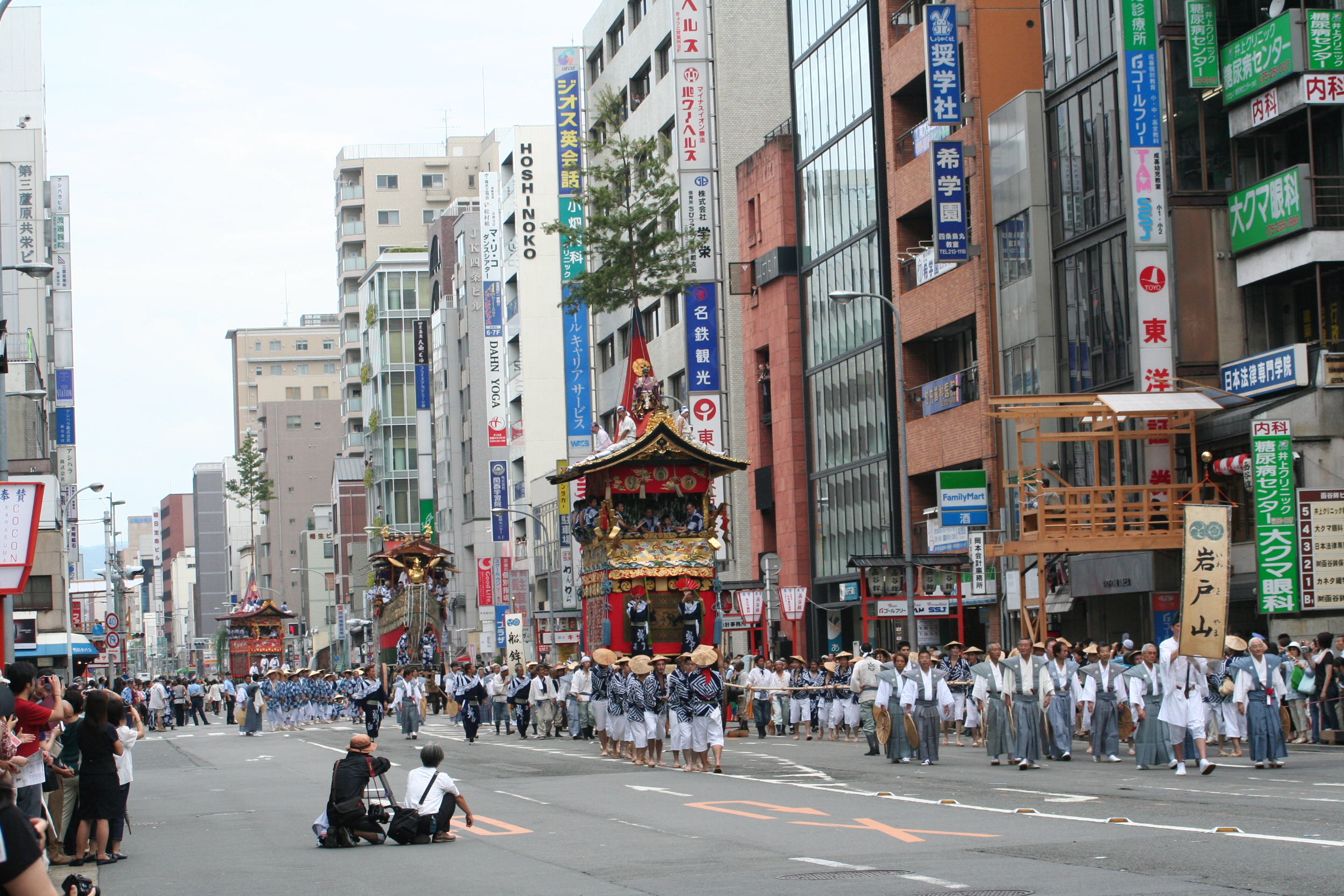
Yama, Hoko, Yatai float festivals
Yama, Hoko, Yatai float festivals in Japan are community festivals centered on large decorated floats, local craftsmanship, music, procession and neighborhood cooperation.
View details
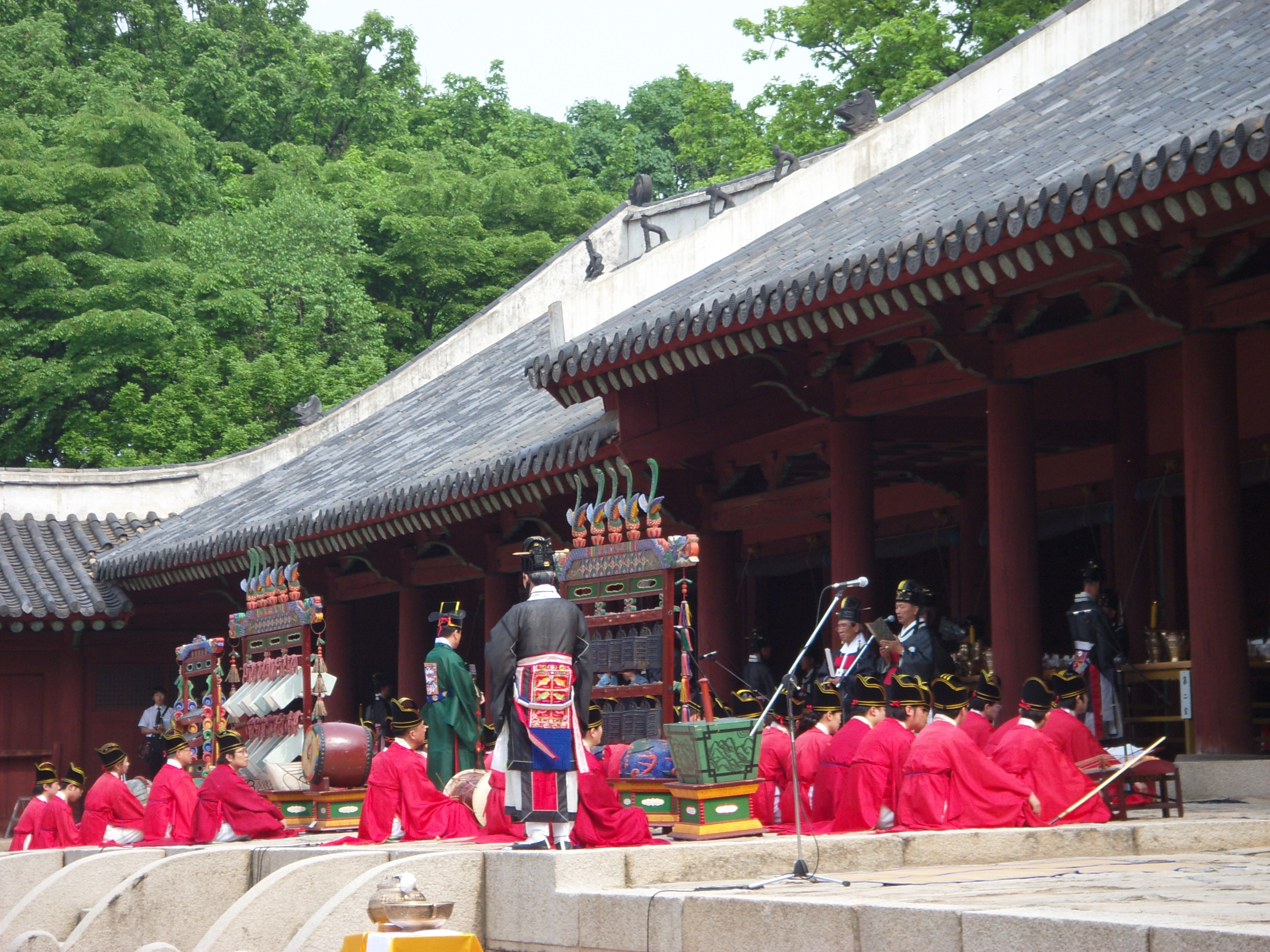
Jongmyo Jerye and ritual music
Jongmyo Jerye and ritual music is a living ritual and festival tradition associated with Korea and documented through UNESCO intangible cultural heritage resources.
View details
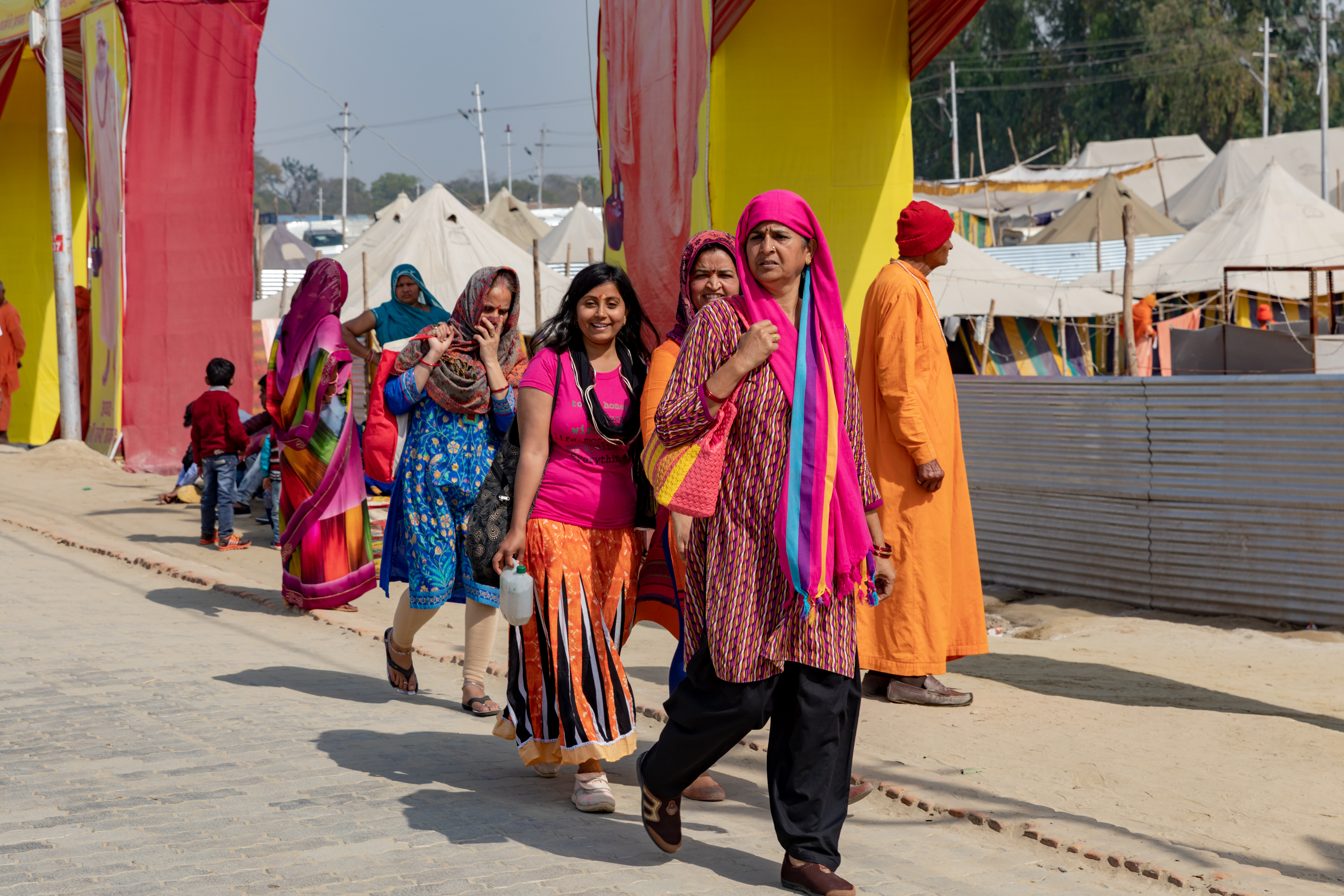
Kumbh Mela
Kumbh Mela is a living ritual and festival tradition associated with India and documented through UNESCO intangible cultural heritage resources.
View details
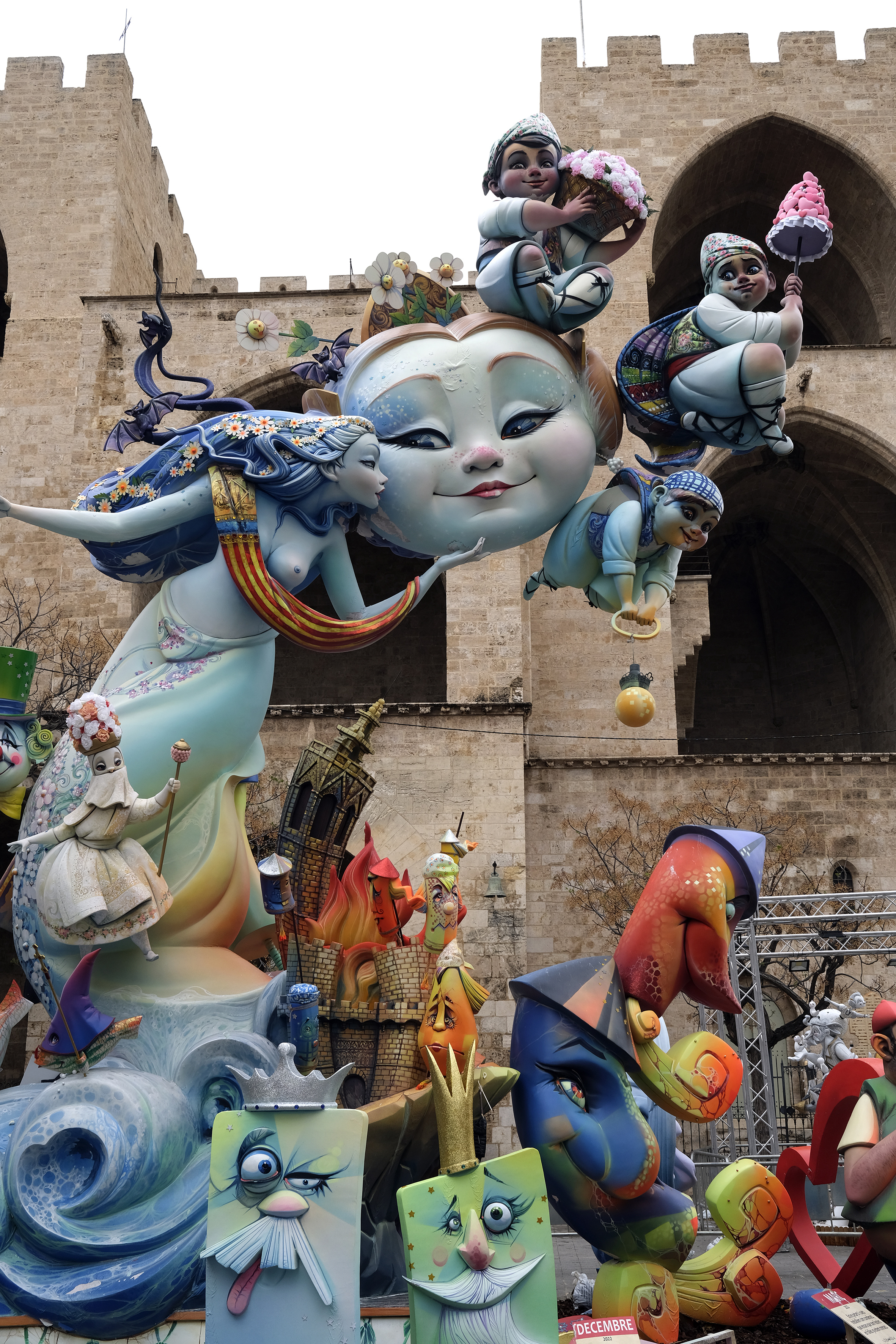
Fallas festival in Valencia
Fallas festival in Valencia is a living ritual and festival tradition associated with Spain and documented through UNESCO intangible cultural heritage resources.
View details