Yama, Hoko, Yatai float festivals
Yama, Hoko, Yatai float festivals in Japan are community festivals centered on large decorated floats, local craftsmanship, music, procession and neighborhood cooperation.
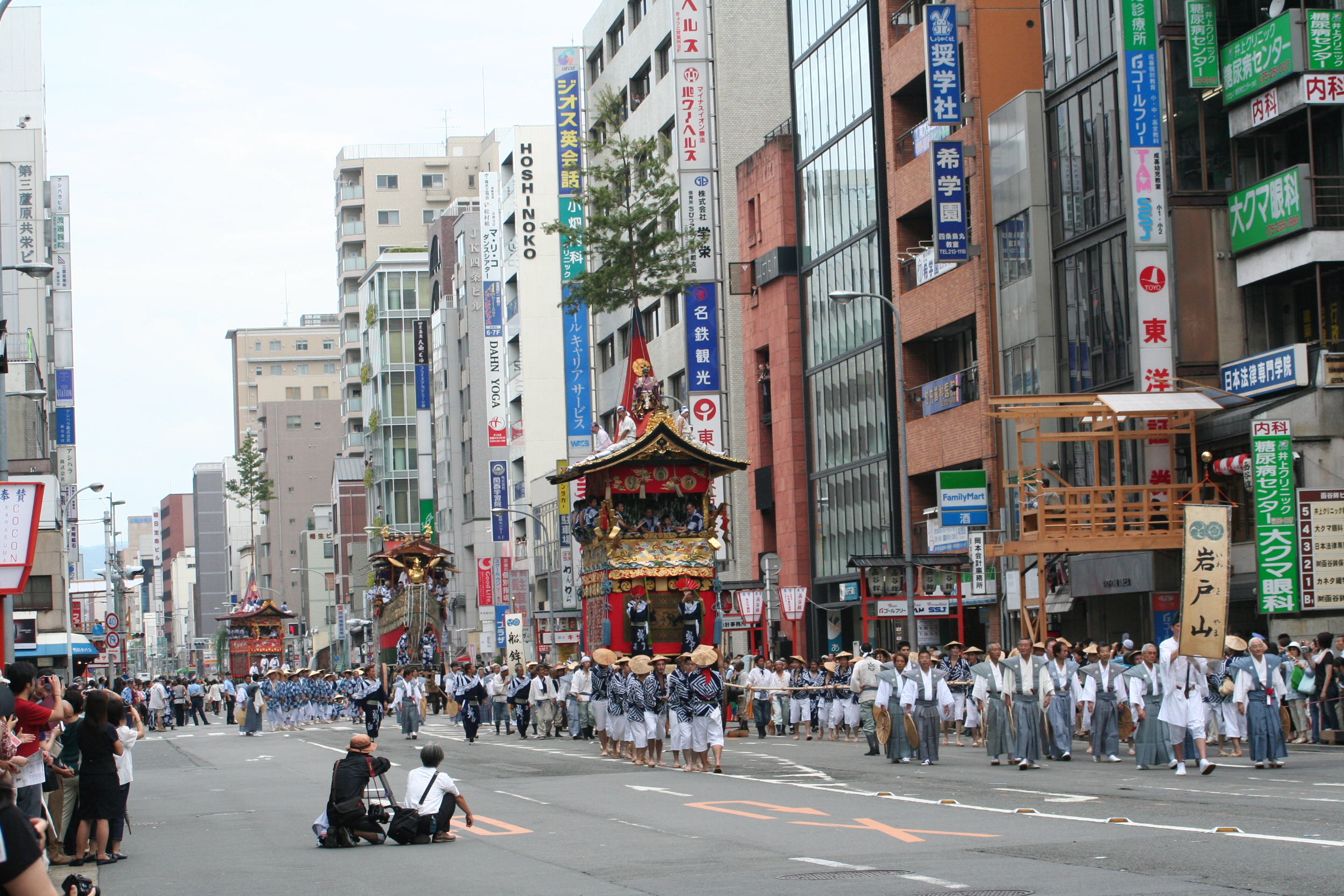
Image: Kyoto Gion Matsuri J09 055, by Corpse Reviver, source, CC BY 3.0
Simple explanation
The floats are not simple parade vehicles. They can involve carpentry, textiles, metalwork, carving, music and careful teamwork, with neighborhoods preparing and maintaining them across generations.
History
Many of these festivals developed around urban and regional communities that organized processions for protection, celebration and local identity. Kyoto's Gion Festival is especially famous, but the UNESCO inscription recognizes a broader group of float festivals across Japan. Skills are passed through festival associations, artisans, musicians and residents who prepare the floats each year.
Why it matters
They matter because the festival is both a public event and a long cycle of preparation. It keeps craft knowledge, neighborhood organization, music and local pride connected through repeated annual practice.
Source credibility
Core facts, UNESCO year, source link and image credit have been reviewed.
- Image copyright
- Kyoto Gion Matsuri J09 055 · Corpse Reviver · CC BY 3.0 · Source
- Verification status
- Verified
- UNESCO year
- 2016
Floats as collective works
Yama, Hoko and Yatai floats are not simply festival decorations. They are collective works that may combine carpentry, carving, metal fittings, lacquer, textiles, ropes, wheels, music platforms and ritual objects.
Preparing a float requires technical knowledge and neighborhood cooperation. Communities store components, repair structures, decorate the floats and organize the people who pull, guide or accompany them during the procession.
Festival cycle
The public procession is only one moment in a longer annual cycle. Meetings, maintenance, fundraising, rehearsals, music practice, ritual preparations and the transmission of duties all happen before the festival day arrives.
This cycle makes the festival a form of community organization. Residents learn where they belong in the event, which tasks they inherit and how their neighborhood presents itself to the wider public.
Craft, music and movement
The festivals preserve many kinds of skill at once. Artisans repair or create decorative parts, musicians perform festival music, and participants learn how to move heavy floats safely through streets. The float becomes a moving archive of local craft and memory.
In some communities, textiles or ornaments may be treasured for generations. Their display during the festival links local identity with broader histories of trade, taste and patronage.
Safeguarding pressures
Urban change, aging communities, cost of repairs and shortage of artisans can make transmission difficult. Large floats require storage space, safety planning and many trained participants.
Safeguarding therefore involves supporting neighborhood associations, documenting craft techniques, training younger participants, maintaining public routes and respecting the local rules that give each festival its meaning.
Explore similar heritage
Similar heritage to explore next
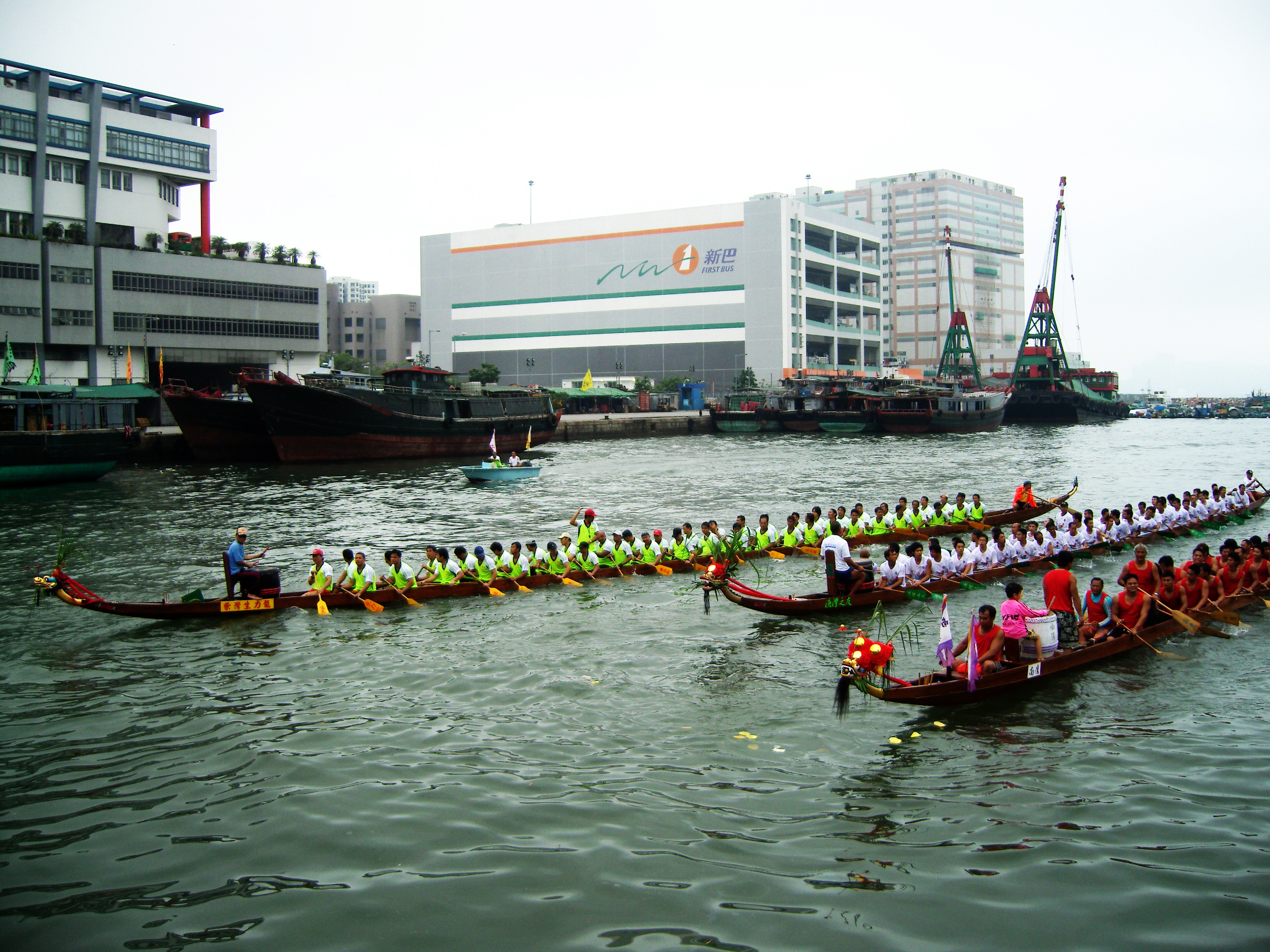
Dragon Boat Festival
The Dragon Boat Festival is a Chinese seasonal festival marked by boat races, rice dumplings, protective customs and stories of loyalty, health and community memory.
View details
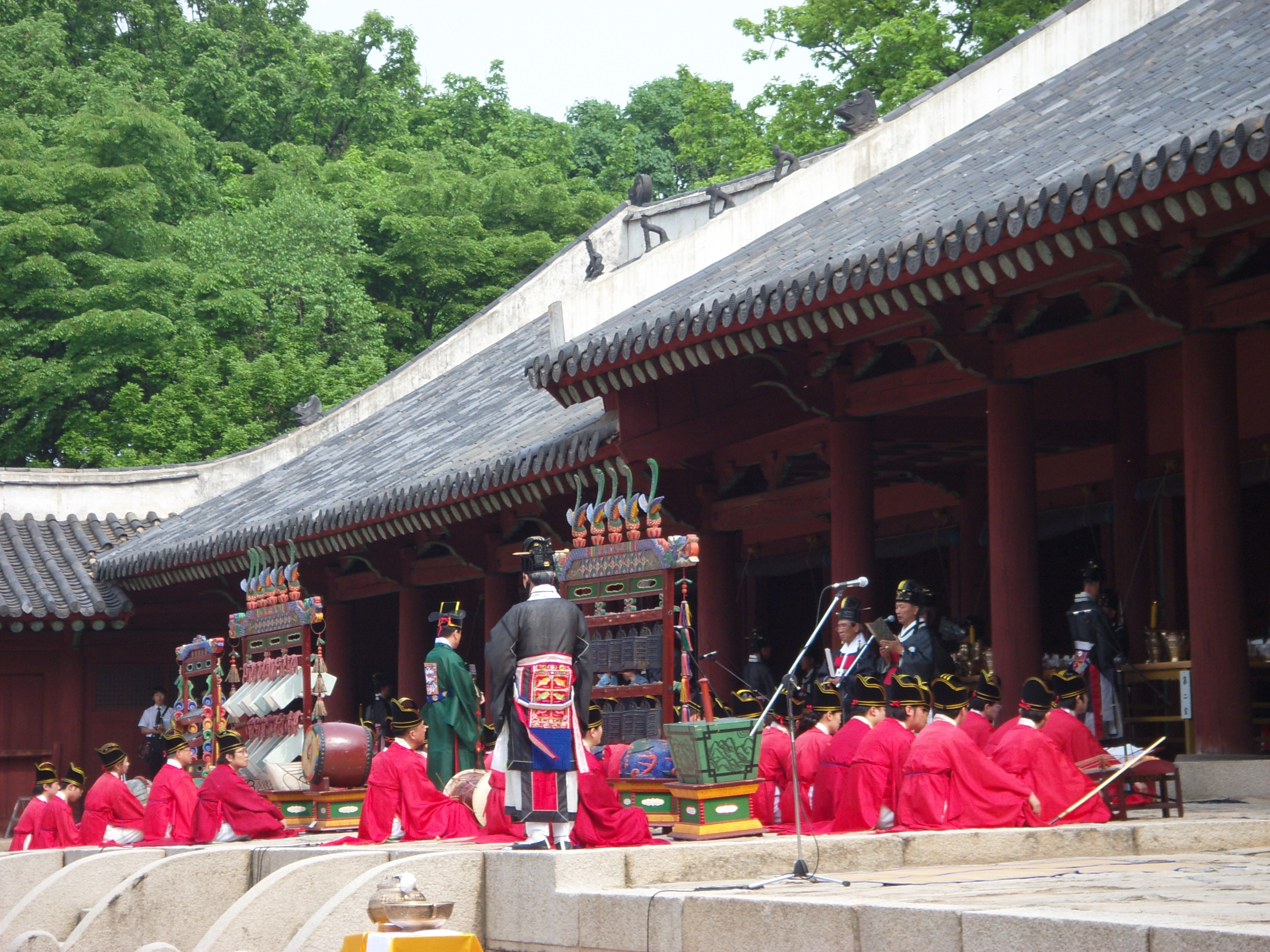
Jongmyo Jerye and ritual music
Jongmyo Jerye and ritual music is a living ritual and festival tradition associated with Korea and documented through UNESCO intangible cultural heritage resources.
View details
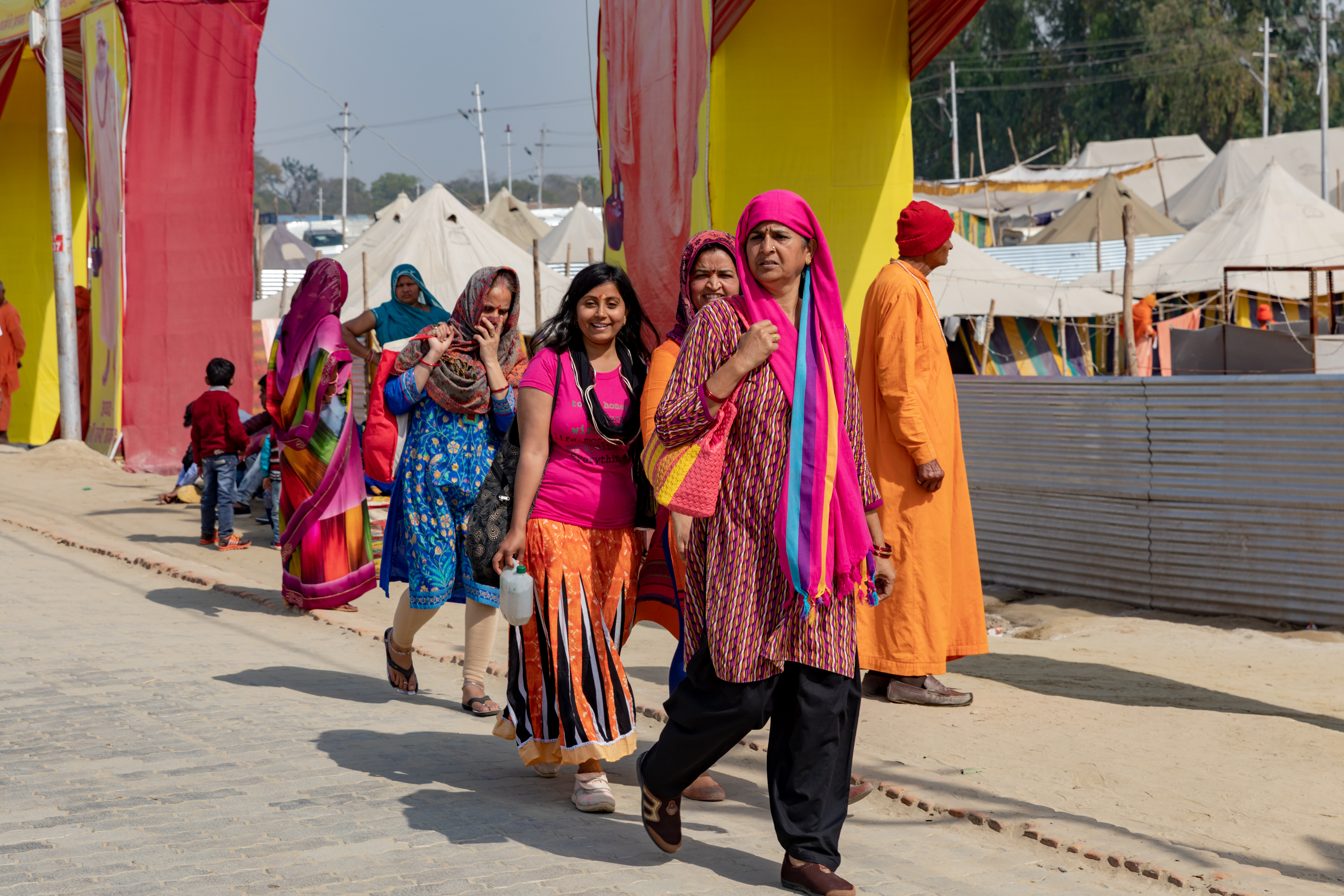
Kumbh Mela
Kumbh Mela is a living ritual and festival tradition associated with India and documented through UNESCO intangible cultural heritage resources.
View details
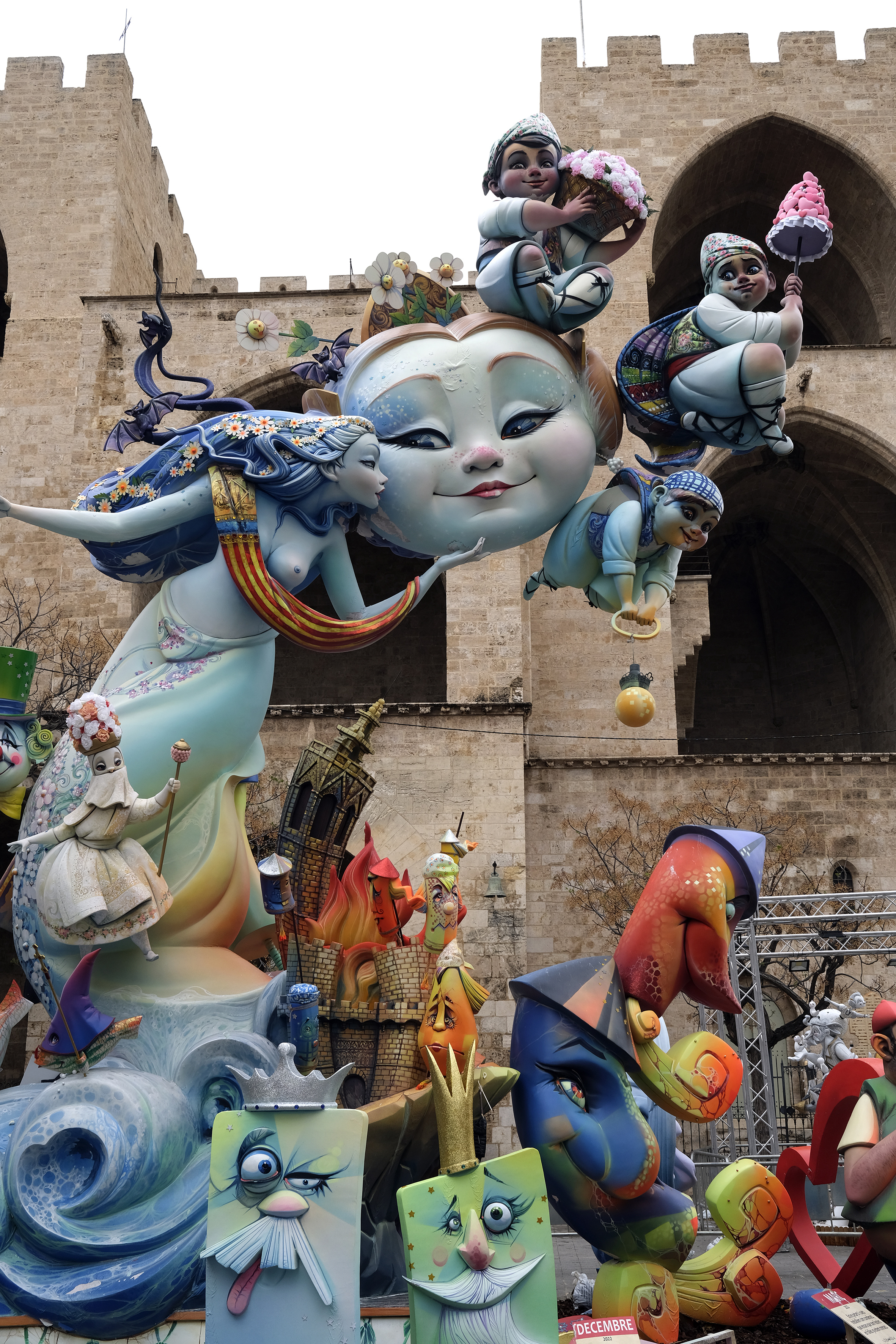
Fallas festival in Valencia
Fallas festival in Valencia is a living ritual and festival tradition associated with Spain and documented through UNESCO intangible cultural heritage resources.
View details