Gagaku
Gagaku is Japanese court music and dance, recognized for its slow tempo, layered wind and string sounds, ritual atmosphere and long connection to imperial and ceremonial life.
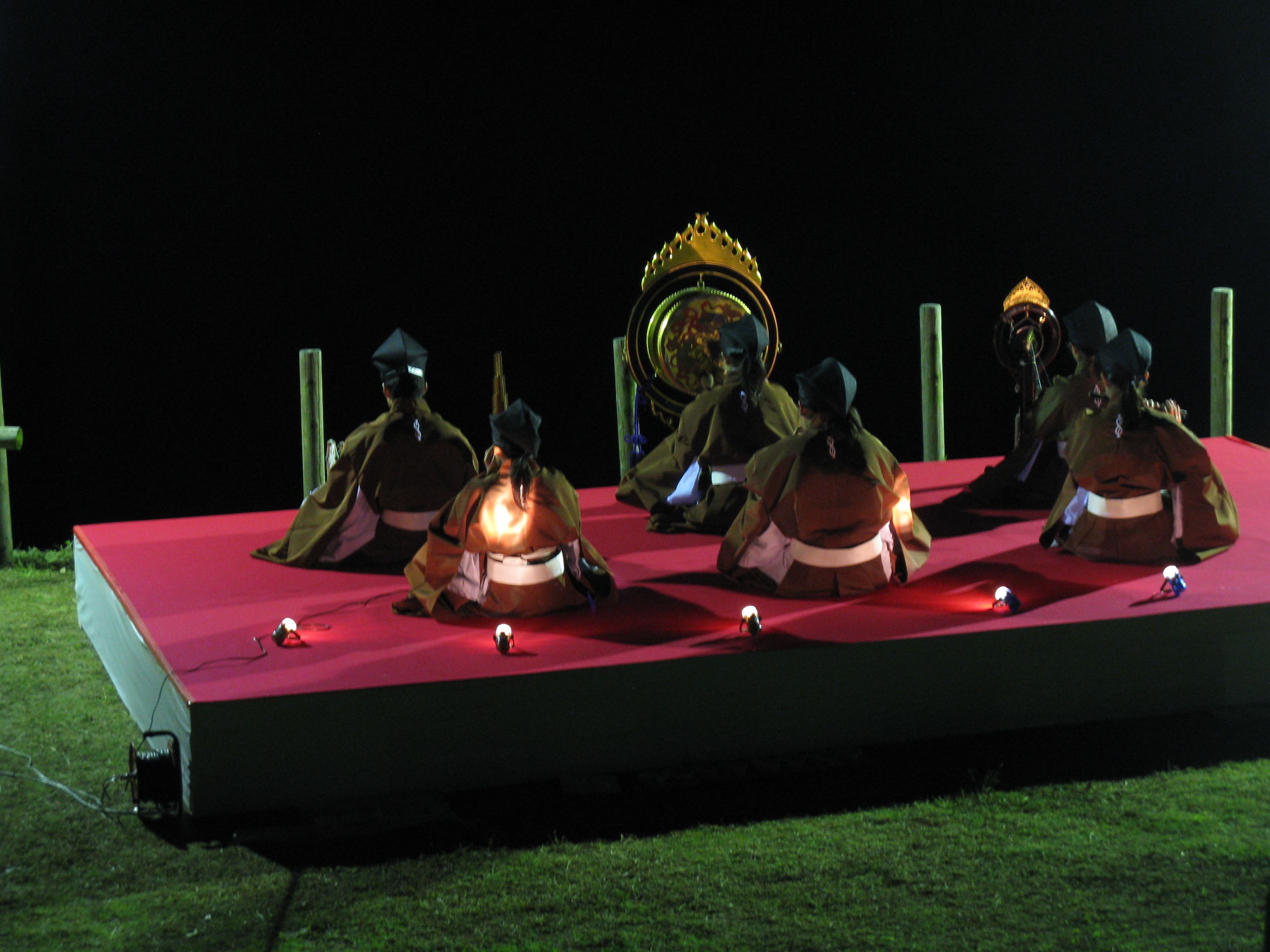
Image: Gagaku, by KENPEI, source, CC BY-SA 3.0
Simple explanation
To a new listener, Gagaku can feel spacious and floating. Instruments such as the sho, hichiriki, ryuteki and biwa create a sound world very different from modern orchestral music.
History
Gagaku absorbed musical influences from the Asian continent and was cultivated in Japan's court and ritual institutions for more than a thousand years. Its repertory includes instrumental pieces, dances and vocal forms. Transmission depends on disciplined training, notation, memorization and ceremonial performance contexts.
Why it matters
It matters because it preserves a rare historical sound world. Gagaku carries memories of diplomacy, court culture, ritual order and musical exchange across East Asia while continuing to be performed today.
Source credibility
Core facts, UNESCO year, source link and image credit have been reviewed.
- Source link
- https://ich.unesco.org/en/RL/gagaku-00265
- Image copyright
- Gagaku · KENPEI · CC BY-SA 3.0 · Source
- Verification status
- Verified
- UNESCO year
- 2009
Sound world
Gagaku is known for a spacious, layered sound that differs strongly from modern concert music. Wind instruments, strings, percussion and dance work together to create an atmosphere of ceremony and measured time.
The sho mouth organ produces clusters of sound that can feel suspended, while the hichiriki and ryuteki carry melodic lines. The music often unfolds slowly, asking listeners to attend to tone color, breath and ritual pacing.
Court and ritual setting
Gagaku has been cultivated in court and ceremonial contexts for more than a millennium. It includes instrumental music, dance pieces and vocal forms, some connected to ancient international exchange across East Asia.
The tradition is not simply entertainment. It has long been associated with imperial ceremony, shrine ritual, seasonal observance and formal occasions where sound helps organize space and hierarchy.
Transmission of technique
Training requires learning instruments, repertory, posture, ensemble timing and ceremonial discipline. Because the music moves slowly, precision and breath control are essential; a small error in timing or tone can disturb the whole texture.
Knowledge is transmitted through institutions, teachers and repeated performance in ritual or concert settings. Costumes, instruments and choreographic forms are also part of what must be preserved.
Why preservation is difficult
Gagaku can be challenging for new listeners because its pace and tonal world are far from everyday popular music. The number of skilled performers, instrument makers and teachers must remain sufficient for the ensemble tradition to continue.
Safeguarding means keeping performance contexts alive, teaching audiences how to listen, maintaining instruments and costumes, and supporting the specialists who carry this rare sound world.
Explore similar heritage
Similar heritage to explore next
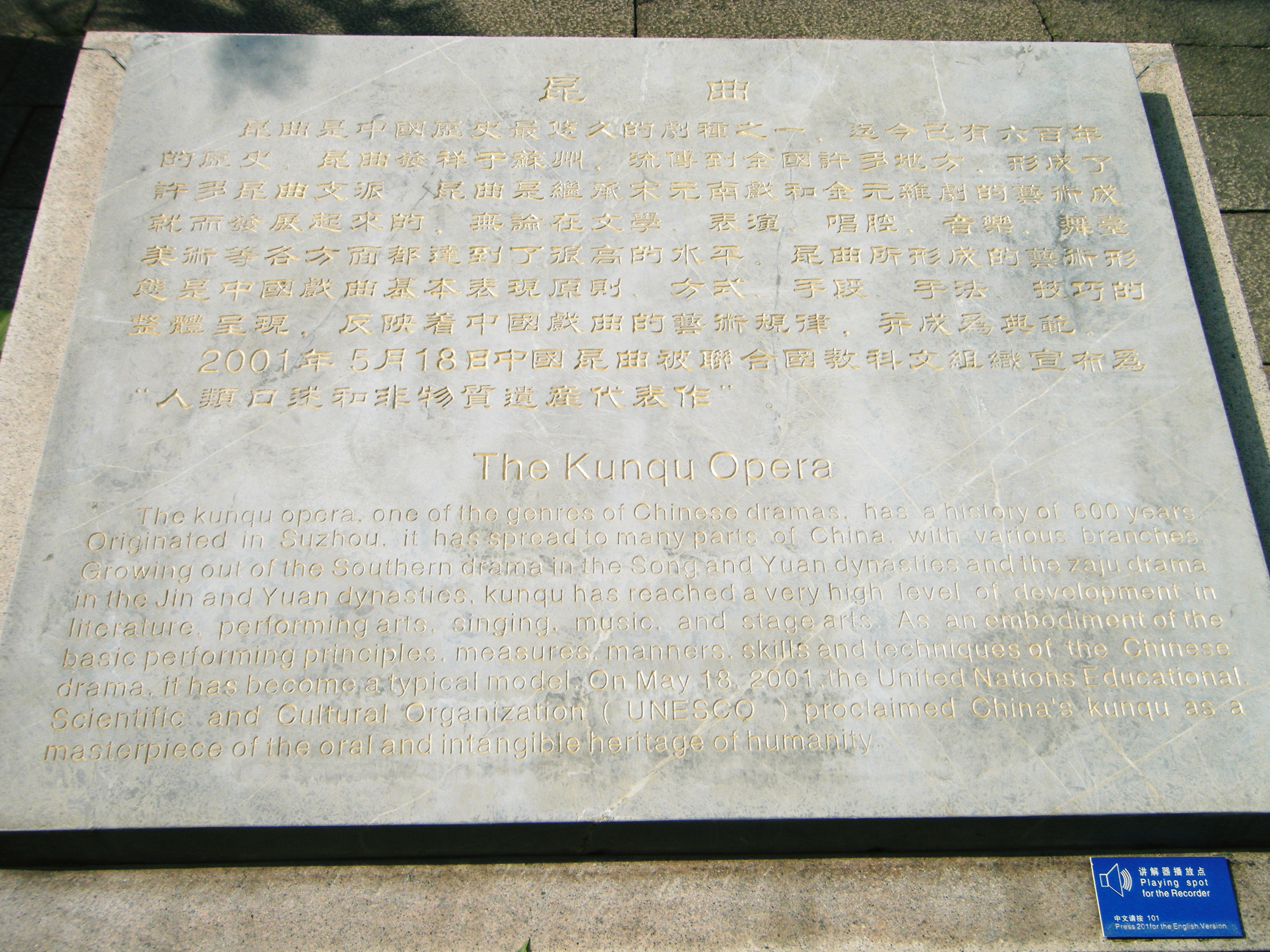
Kunqu Opera
Kunqu Opera is one of China's oldest surviving theatrical traditions, known for refined singing, elegant movement, poetic language and a repertory that shaped later Chinese opera forms.
View details
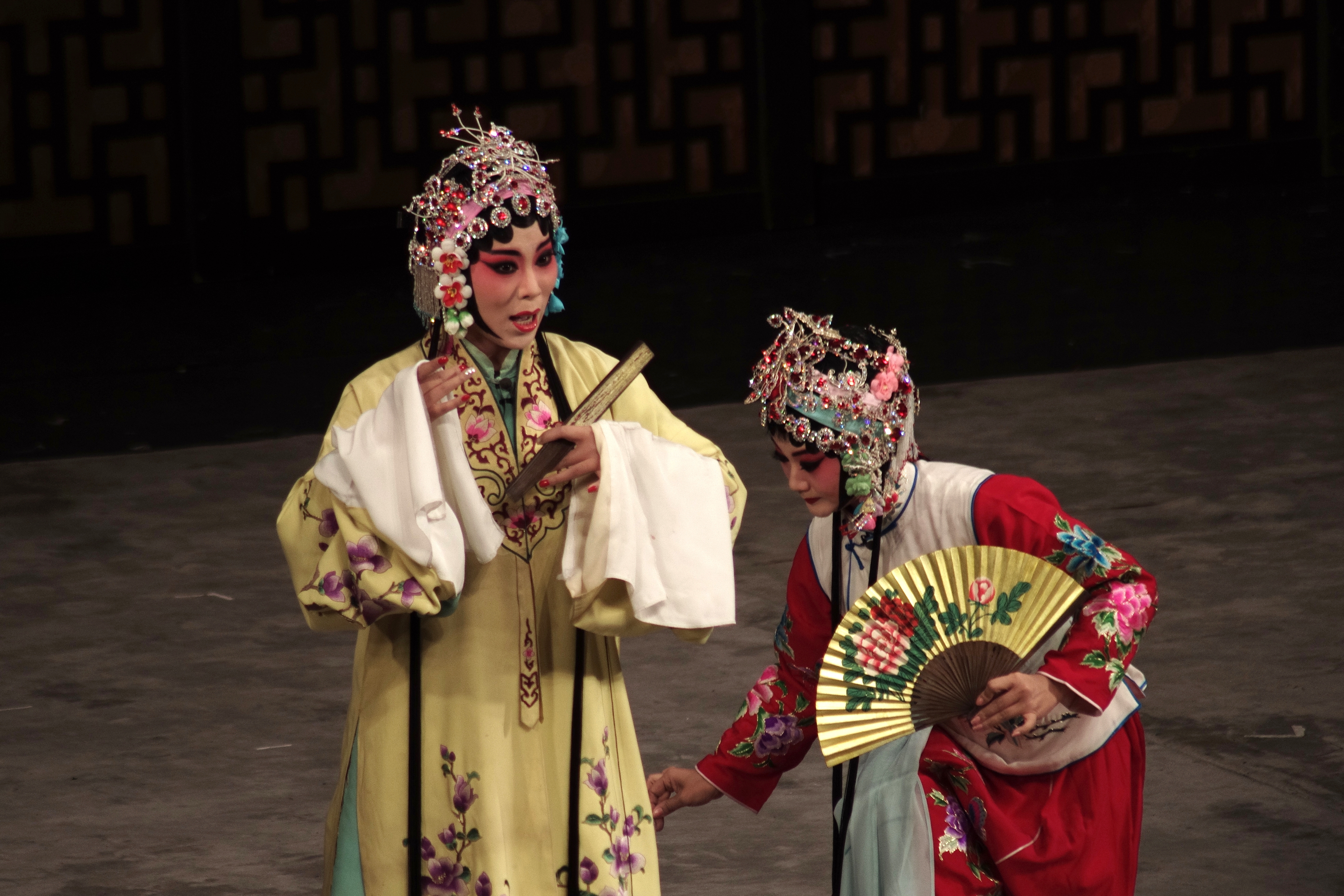
Peking opera
Peking opera is a highly stylized Chinese theatre form that combines singing, speech, acting, martial movement, music, costume and symbolic stage action.
View details
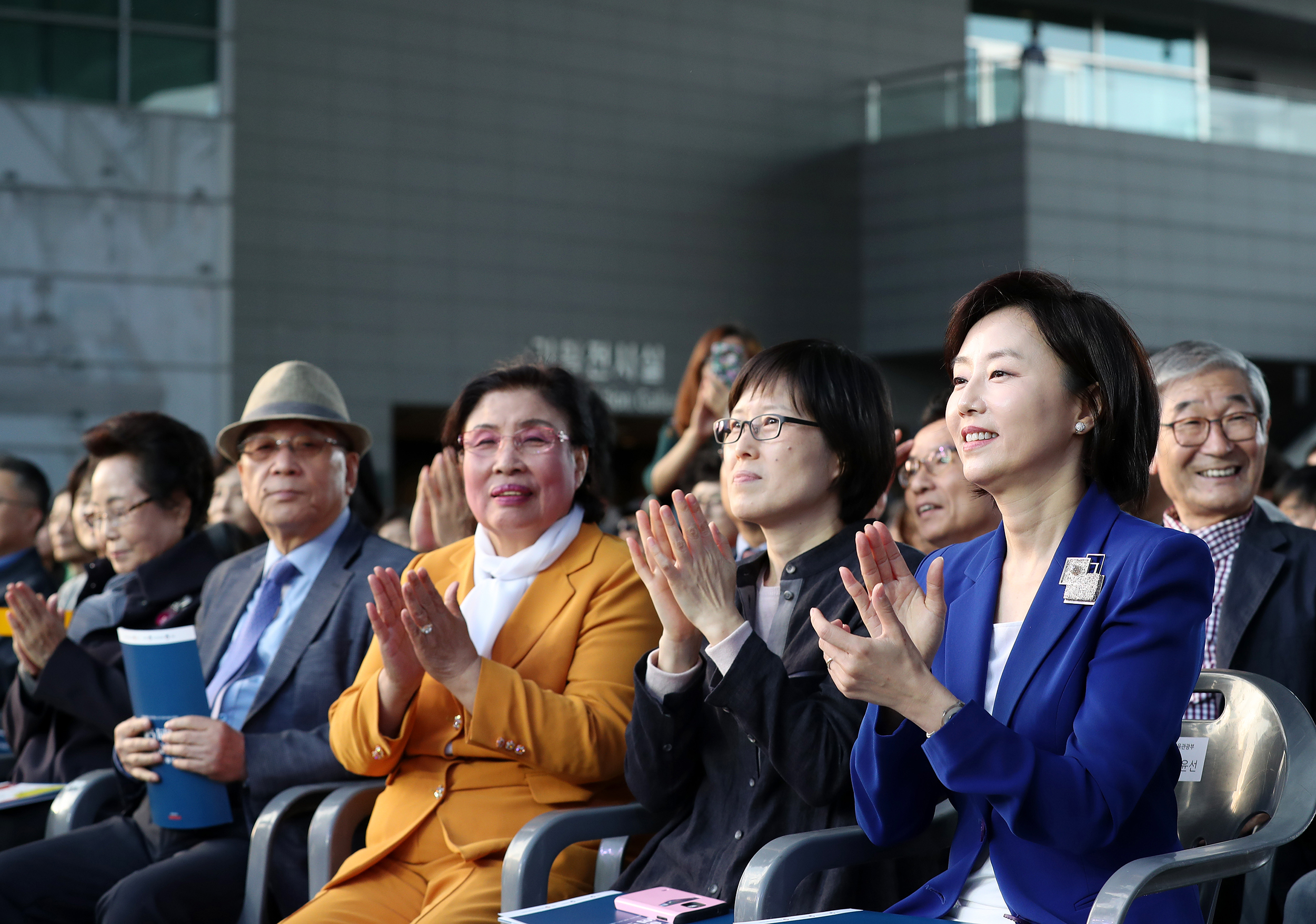
Arirang folk song
Arirang folk song is a living performing arts tradition associated with Korea and documented through UNESCO intangible cultural heritage resources.
View details
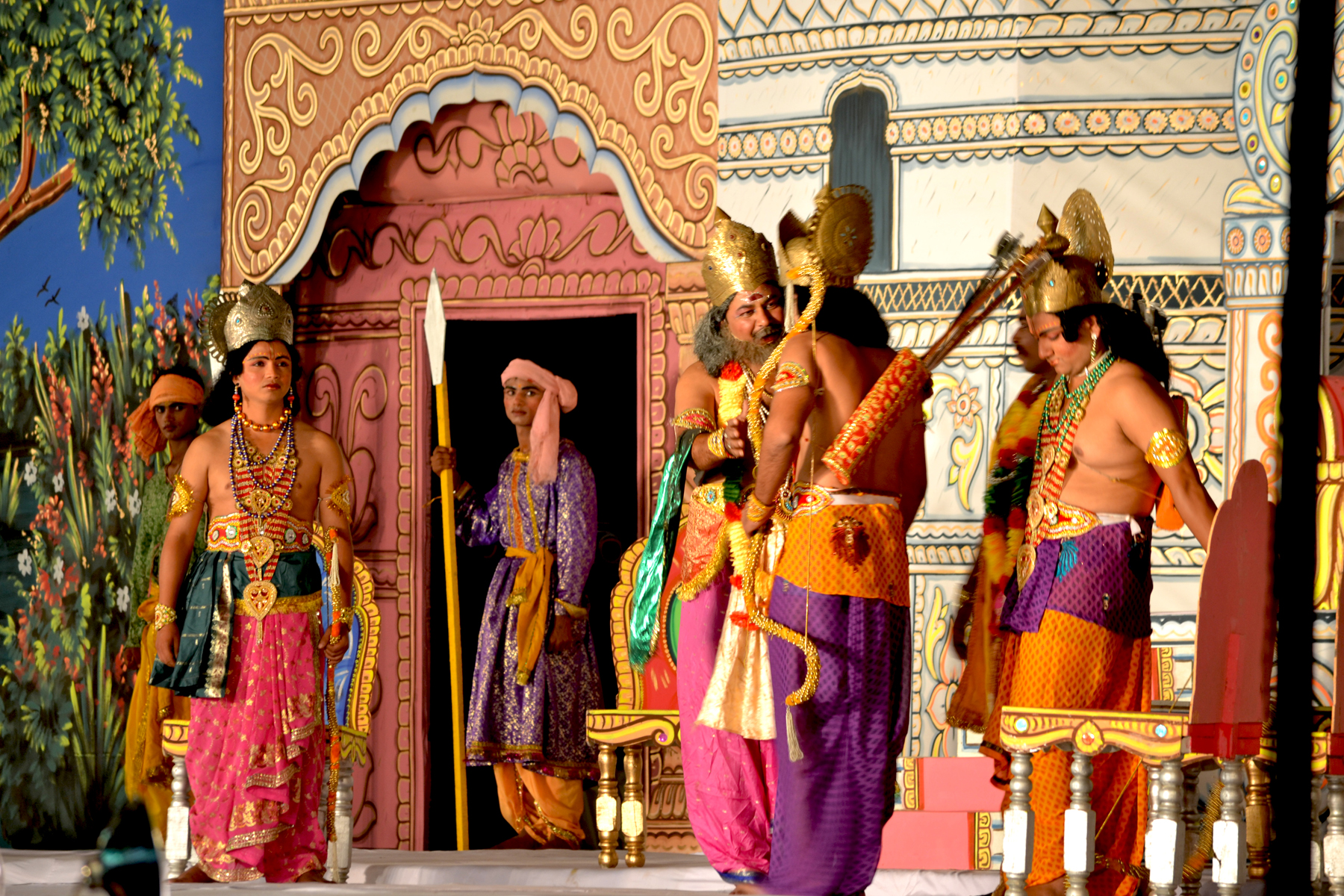
Ramlila
Ramlila is a living performing arts tradition associated with India and documented through UNESCO intangible cultural heritage resources.
View details