Kunqu Opera
Kunqu Opera is one of China's oldest surviving theatrical traditions, known for refined singing, elegant movement, poetic language and a repertory that shaped later Chinese opera forms.
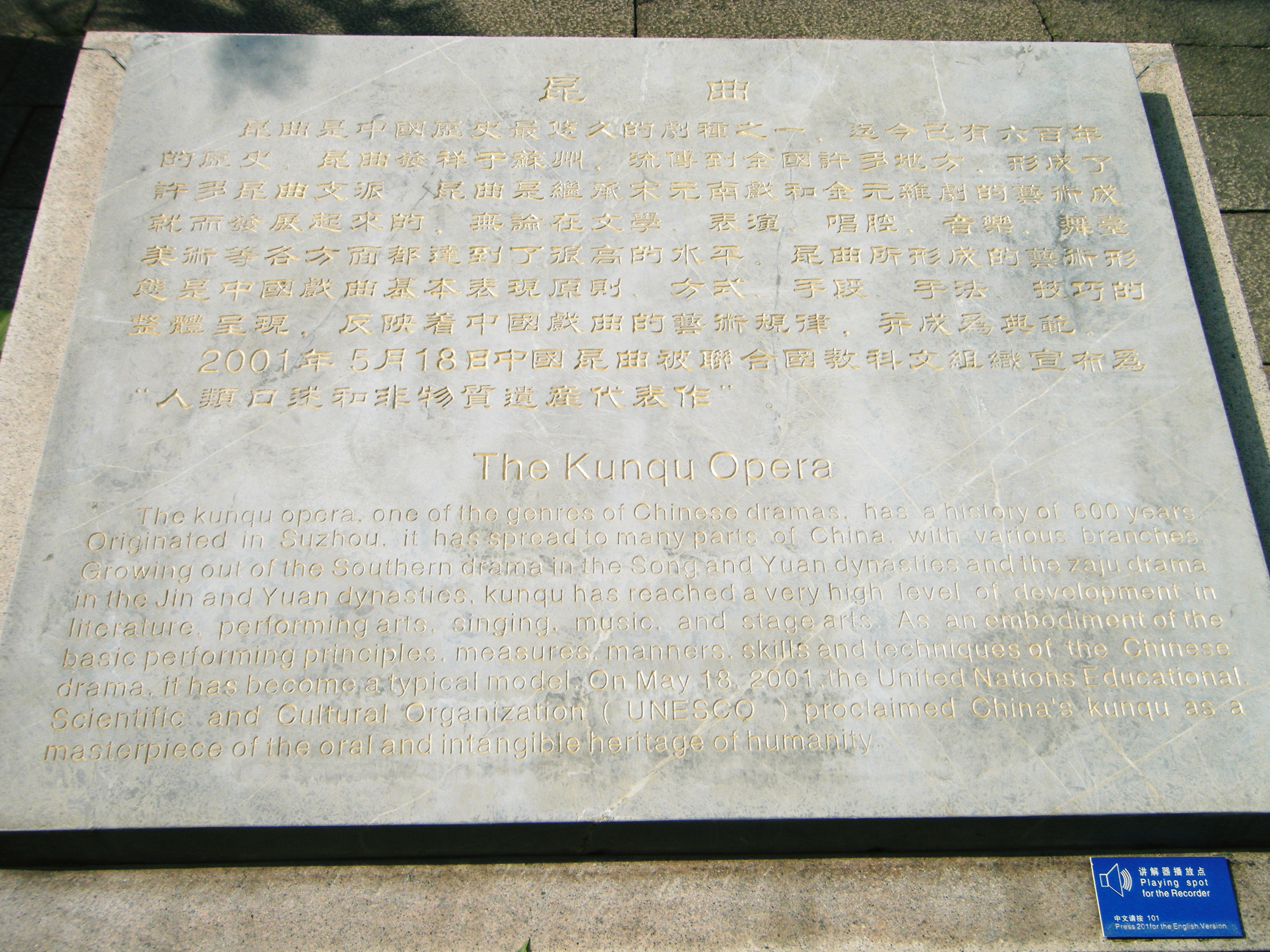
Image: Kunqu Opera, Suzhou, by Hugh Llewelyn, source, CC BY-SA 2.0
Simple explanation
A Kunqu performance brings together melody, gesture, costume and literary drama. The actor does not simply speak a story: each step, sleeve movement, glance and vocal phrase is trained to carry emotion and meaning.
History
Kunqu developed around the Kunshan area near Suzhou and became especially influential in the Ming and Qing periods. Literati drama, classical poetry and professional stage practice came together in works such as The Peony Pavilion. Although its audience declined in the modern period, conservatories and troupes have kept the style alive through training, repertory preservation and new public performances.
Why it matters
Kunqu matters because it preserves a highly disciplined way of connecting language, music and body technique. It also helps explain the roots of many later Chinese opera styles, making it a key reference point for understanding Chinese stage culture.
Source credibility
Core facts, UNESCO year, source link and image credit have been reviewed.
- Image copyright
- Kunqu Opera, Suzhou · Hugh Llewelyn · CC BY-SA 2.0 · Source
- Verification status
- Verified
- UNESCO year
- 2008
What the practice includes
Kunqu Opera is a complete theatrical system rather than a single singing style. A performance combines sung poetry, spoken passages, stylized movement, dance, instrumental accompaniment, costume and role technique. The stage action is often economical: a turn of the sleeve, a measured walk or a change in eye focus can suggest distance, hesitation, grief or recognition.
The singing is closely tied to the Kunshan melodic tradition and is valued for smooth phrasing, controlled breath and delicate transitions between tones. Actors train the voice and body together, because the musical line, gesture and emotional state are expected to support one another. A performer must therefore learn not only melodies and words, but also how a character thinks, moves and occupies the stage.
Repertory and stage language
The repertory includes scenes from classical dramas, love stories, historical episodes and moral conflicts. Works associated with the tradition, such as The Peony Pavilion, are admired for literary refinement as much as theatrical beauty. Many performances today present selected scenes rather than complete multi-act plays, allowing audiences to encounter concentrated moments of singing, gesture and dramatic feeling.
Kunqu relies on a shared stage language. Audiences learn to understand that a whip can stand for riding, a few steps can represent a long journey, and a sleeve movement can reveal emotion. This symbolic economy allows the performance to remain visually restrained while carrying rich narrative meaning.
Transmission and training
Transmission depends on long-term embodied training. Students learn from teachers through demonstration, repetition and correction, gradually absorbing role types, singing methods, posture, hand positions, steps and timing. Because much of the knowledge lives in the body, written scripts and musical notation are only part of the tradition; the style is completed through practice with experienced performers.
Modern conservatories, professional troupes and research institutions have become important carriers of Kunqu. They preserve older repertories, train new actors, document performance techniques and create opportunities for public presentation. At the same time, the survival of Kunqu depends on audiences who are willing to listen slowly and read the subtle signs of the stage.
Community and cultural meaning
Kunqu is strongly associated with the Jiangnan region, especially the cultural worlds around Suzhou and Kunshan, but its influence extends across Chinese theatre history. It shaped later forms of opera and became a reference for refined dramatic taste, literary performance and disciplined stage technique.
For communities, scholars and performers, Kunqu is a way to keep classical language, music and theatrical memory active. Its value is not only that it is old, but that it continues to require living interpreters: singers, musicians, teachers, costume specialists, stage workers and audiences all participate in keeping the form meaningful.
Safeguarding challenges
The tradition faces challenges common to highly specialized performing arts. Training takes many years, the repertory can be difficult for new audiences, and full productions require skilled performers and musicians. Short attention spans and commercial entertainment markets can make it harder for subtle, literary theatre to find space.
Safeguarding therefore involves more than archiving scripts. It requires sustained actor training, accessible performances, school and community education, documentation of senior artists, support for troupes and careful presentation that helps new audiences understand the codes of the form without flattening its complexity.
Explore similar heritage
Similar heritage to explore next
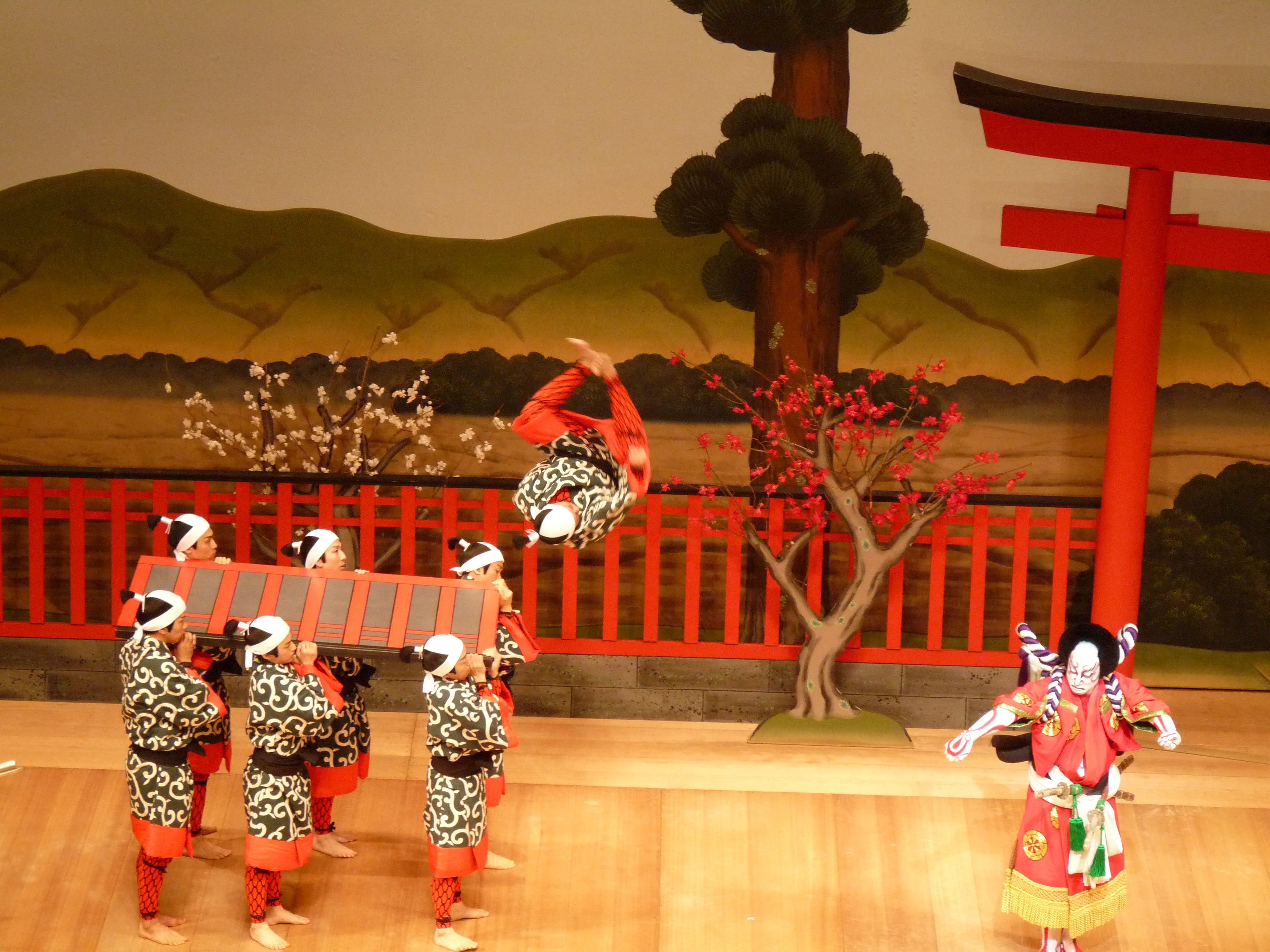
Kabuki theatre
Kabuki theatre is a Japanese performing art known for dramatic poses, bold makeup, elaborate costumes, music and stylized acting that makes emotion visible from the stage.
View details
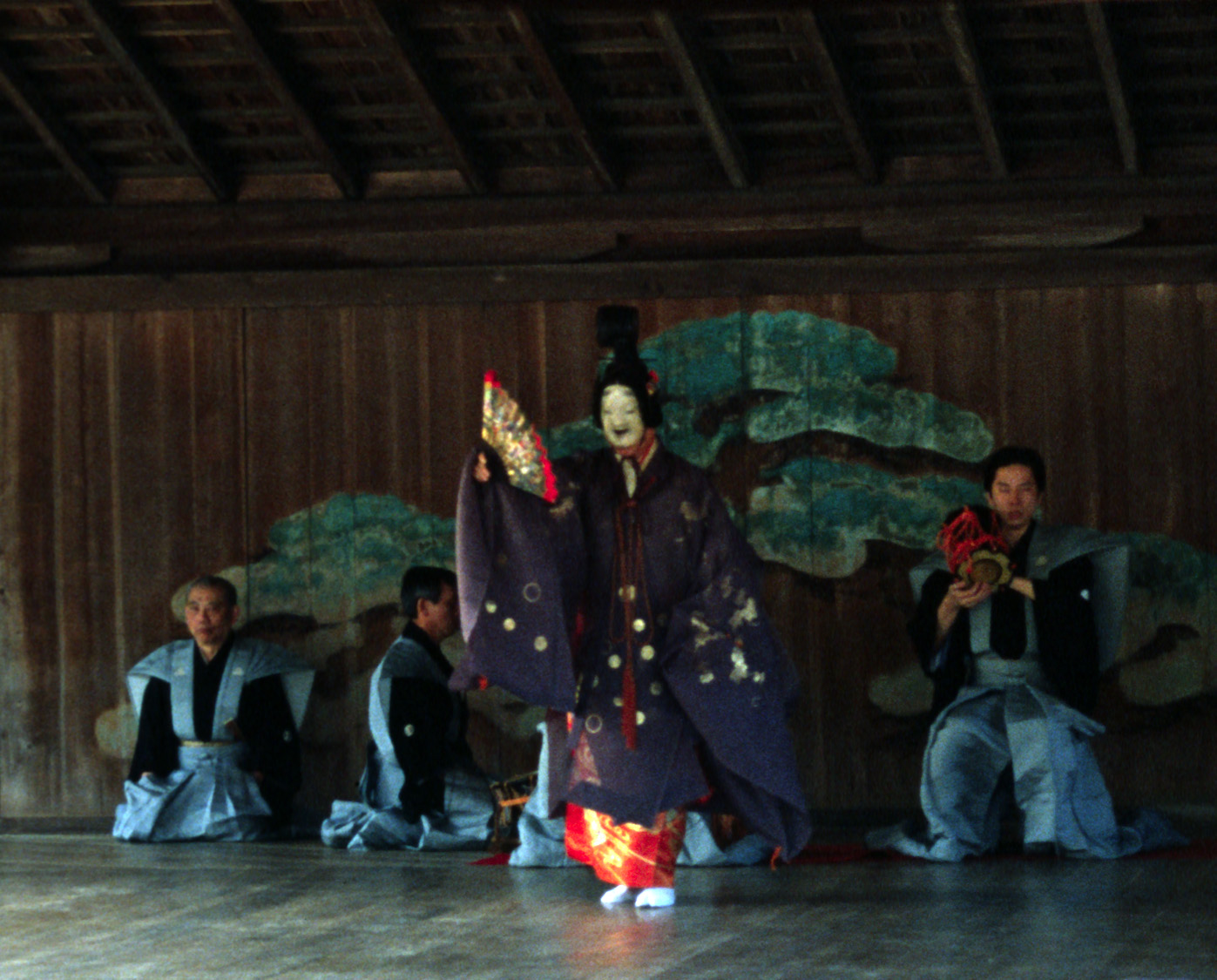
Nohgaku theatre
Nohgaku theatre combines Noh and Kyogen, joining masked dance-drama, chant, music and comic interludes in one of Japan's oldest stage traditions.
View details
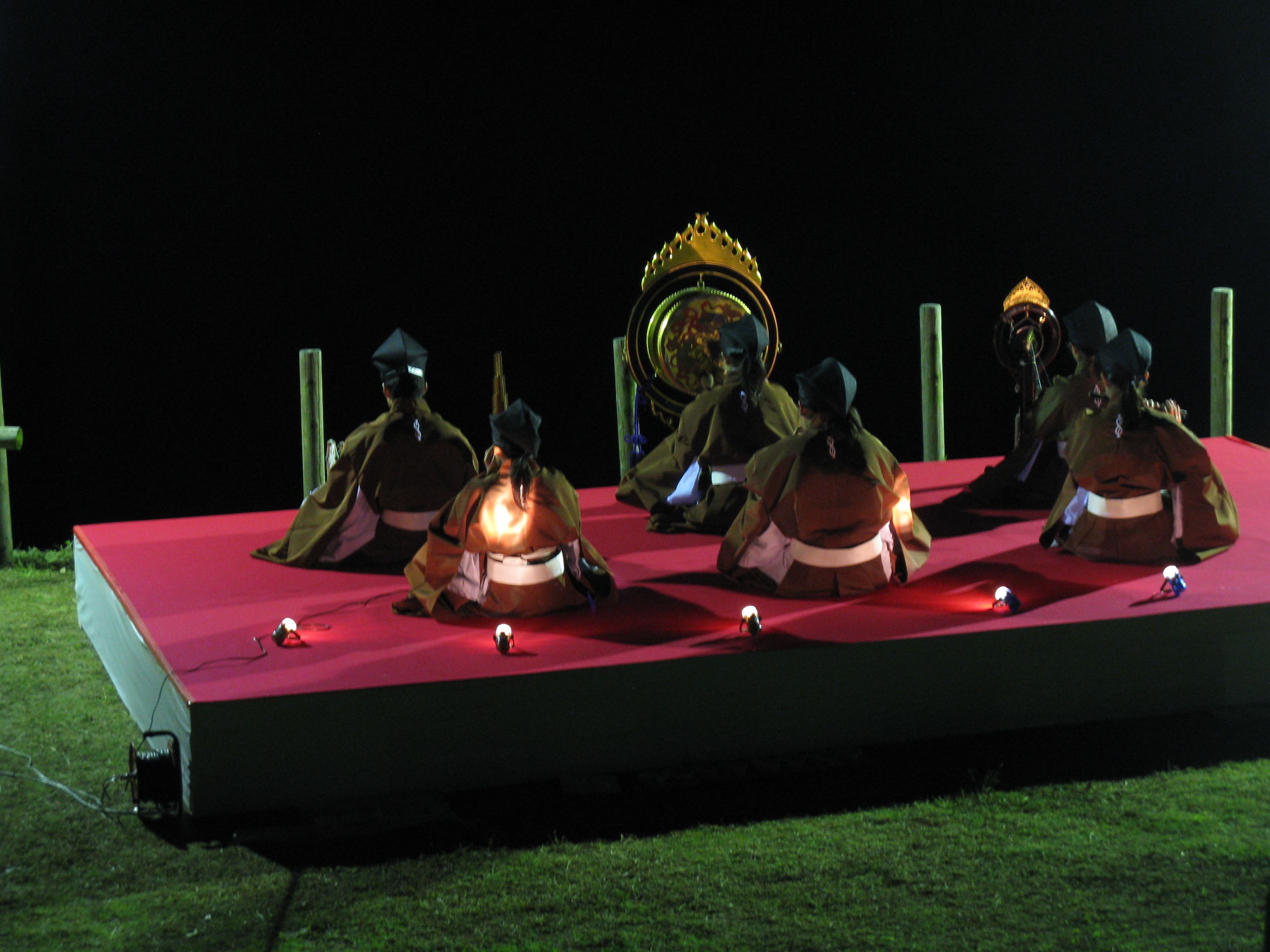
Gagaku
Gagaku is Japanese court music and dance, recognized for its slow tempo, layered wind and string sounds, ritual atmosphere and long connection to imperial and ceremonial life.
View details
Arirang folk song
Arirang folk song is a living performing arts tradition associated with Korea and documented through UNESCO intangible cultural heritage resources.
View details