Kabuki theatre
Kabuki theatre is a Japanese performing art known for dramatic poses, bold makeup, elaborate costumes, music and stylized acting that makes emotion visible from the stage.
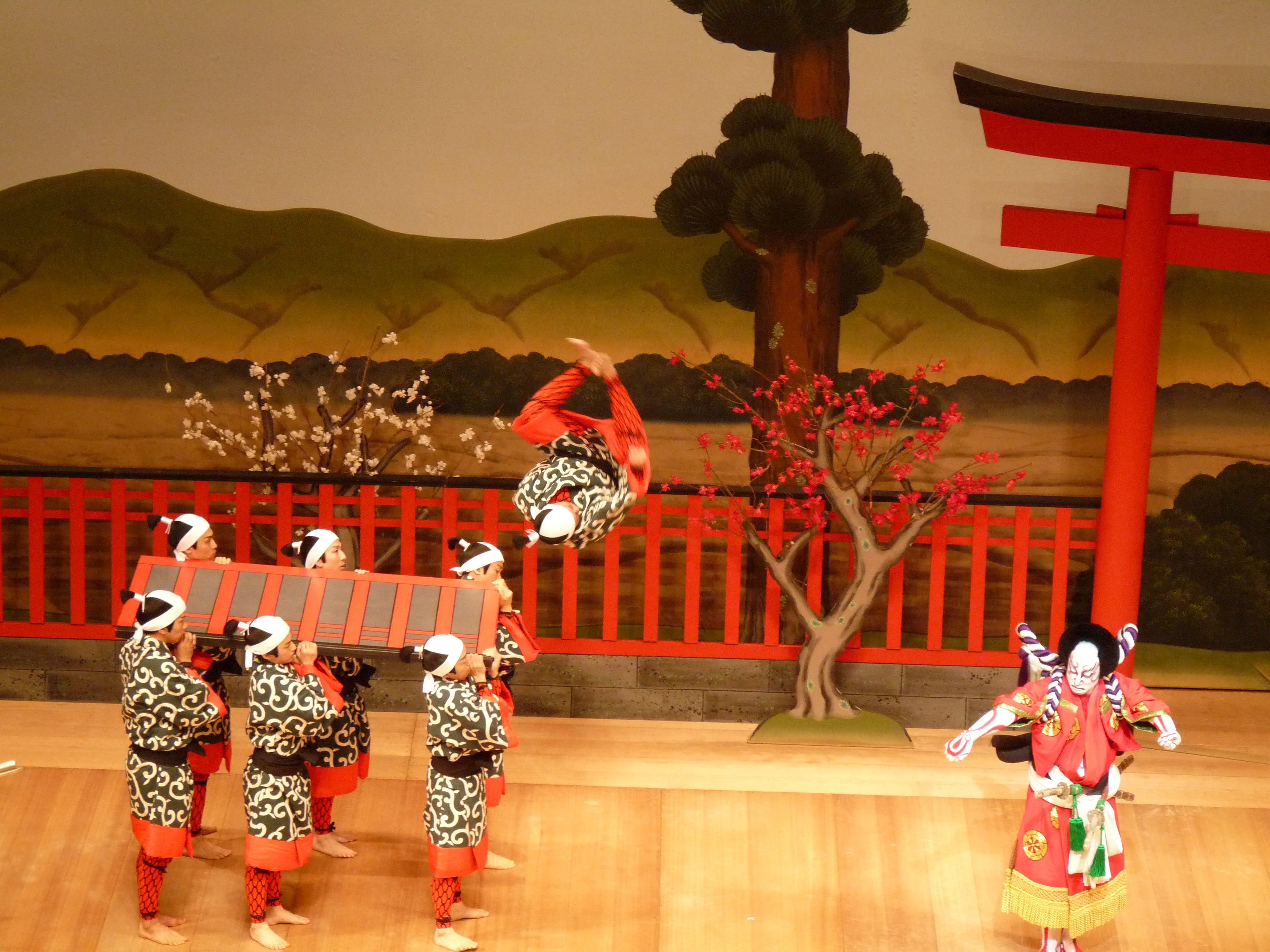
Image: Kabuki dance, Sadler's Wells Theatre, London, by GanMed64, source, CC BY 2.0
Simple explanation
Kabuki turns story into a striking visual performance. Actors use codified movements, mie poses, vocal delivery and costume changes to make characters instantly recognizable, even in large theatres.
History
Kabuki began in the early seventeenth century and developed in urban entertainment districts. Over time it became a professional theatre with specialized acting lineages, male actors playing both male and female roles, and repertories based on history, domestic drama and dance. The form balances inherited techniques with popular theatrical energy.
Why it matters
Kabuki matters because it keeps a vivid stage language alive: makeup, music, gesture and costume all work as readable signs. It remains one of Japan's most recognizable theatrical traditions and a living bridge between classical performance and popular spectacle.
Source credibility
Core facts, UNESCO year, source link and image credit have been reviewed.
- Image copyright
- Kabuki dance, Sadler's Wells Theatre, London · GanMed64 · CC BY 2.0 · Source
- Verification status
- Verified
- UNESCO year
- 2008
Theatrical language
Kabuki is a theatre of bold visual signs. Makeup, costume, wigs, music, stage entrances and fixed poses all help the audience recognize character, status and emotion. The performance is highly stylized, but it is also energetic and direct.
One of the best-known techniques is the mie, a dramatic pose held at a peak emotional moment. The pose freezes the action just long enough for the audience to read the character's power, anger, grief or resolve.
Roles and performance techniques
Kabuki acting is organized through role traditions and family lineages. Actors train in voice, dance, movement, timing and the handling of costume. Onnagata, male actors specializing in female roles, preserve a refined vocabulary of gesture and presence rather than imitating everyday femininity.
Music, narration and percussion shape the rhythm of a scene. Stage devices such as the hanamichi walkway, revolving stages and rapid costume changes create a spectacular relationship between actor and audience.
Repertory and audience
The repertory includes historical dramas, domestic plays and dance pieces. Some works draw on samurai history or legend, while others focus on merchants, family duty, love and social conflict. Kabuki has always balanced inherited form with popular appeal.
Audience participation is part of the experience. Knowledgeable spectators may call out an actor's house name at climactic moments, linking the performance to actor lineages and shared memory.
Safeguarding today
Kabuki requires long training, specialist stage knowledge and a public able to appreciate its codes. Preserving the form means supporting actor families, theatres, musicians, costume makers, wig makers and stage technicians.
At the same time, explanatory programs, subtitles, school outreach and international performances help new audiences approach the form without reducing its complexity to colorful spectacle alone.
Explore similar heritage
Similar heritage to explore next
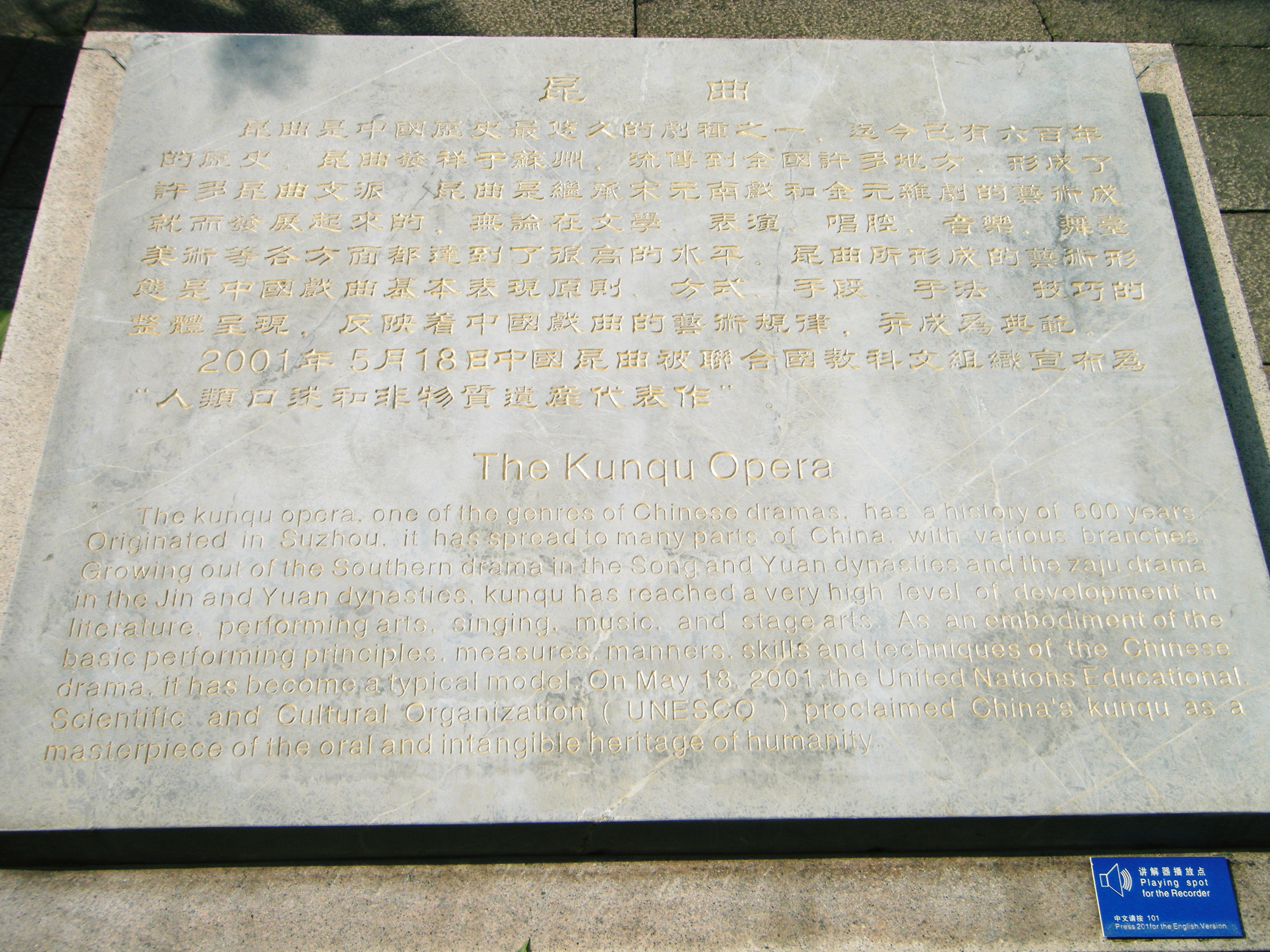
Kunqu Opera
Kunqu Opera is one of China's oldest surviving theatrical traditions, known for refined singing, elegant movement, poetic language and a repertory that shaped later Chinese opera forms.
View details
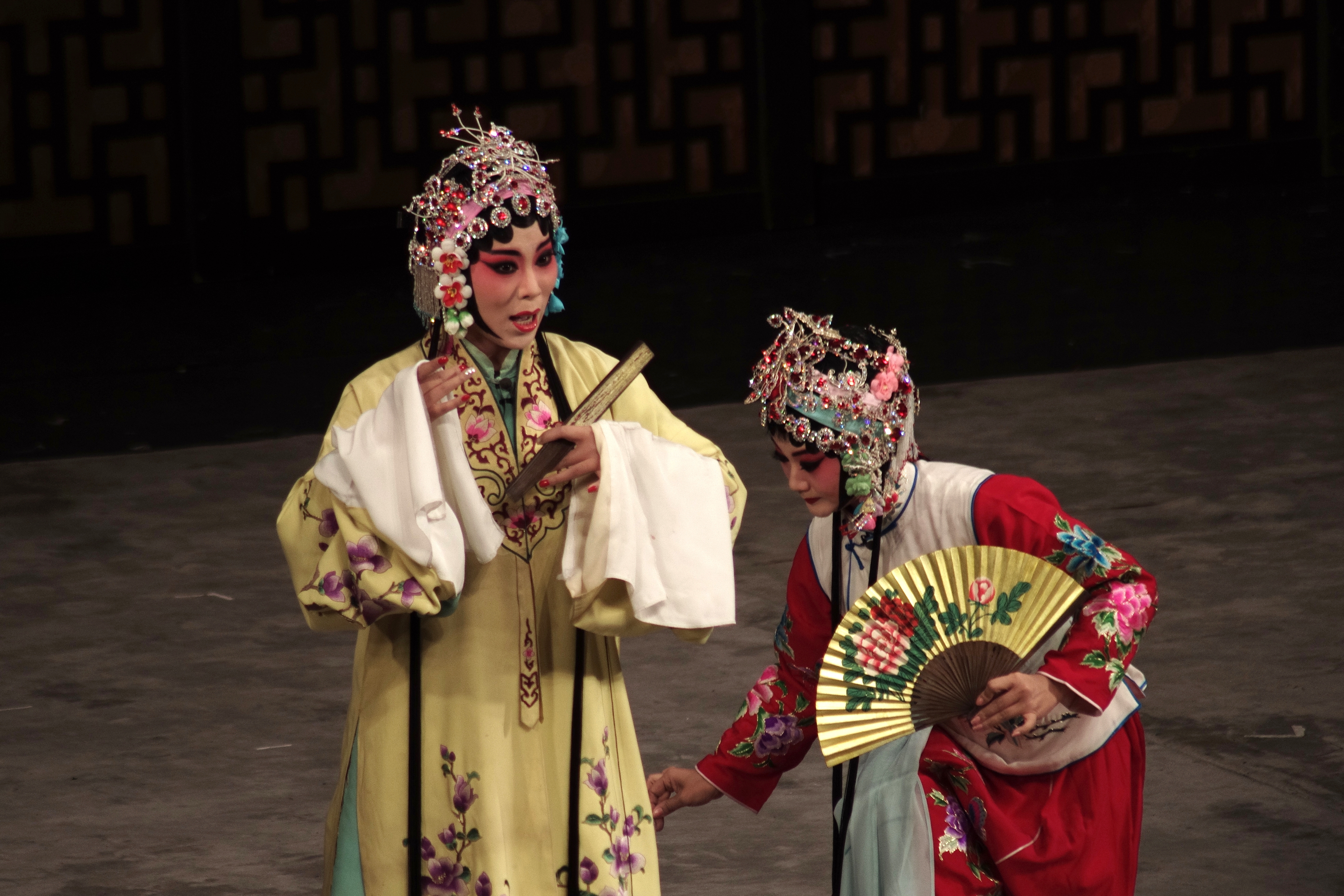
Peking opera
Peking opera is a highly stylized Chinese theatre form that combines singing, speech, acting, martial movement, music, costume and symbolic stage action.
View details
Arirang folk song
Arirang folk song is a living performing arts tradition associated with Korea and documented through UNESCO intangible cultural heritage resources.
View details
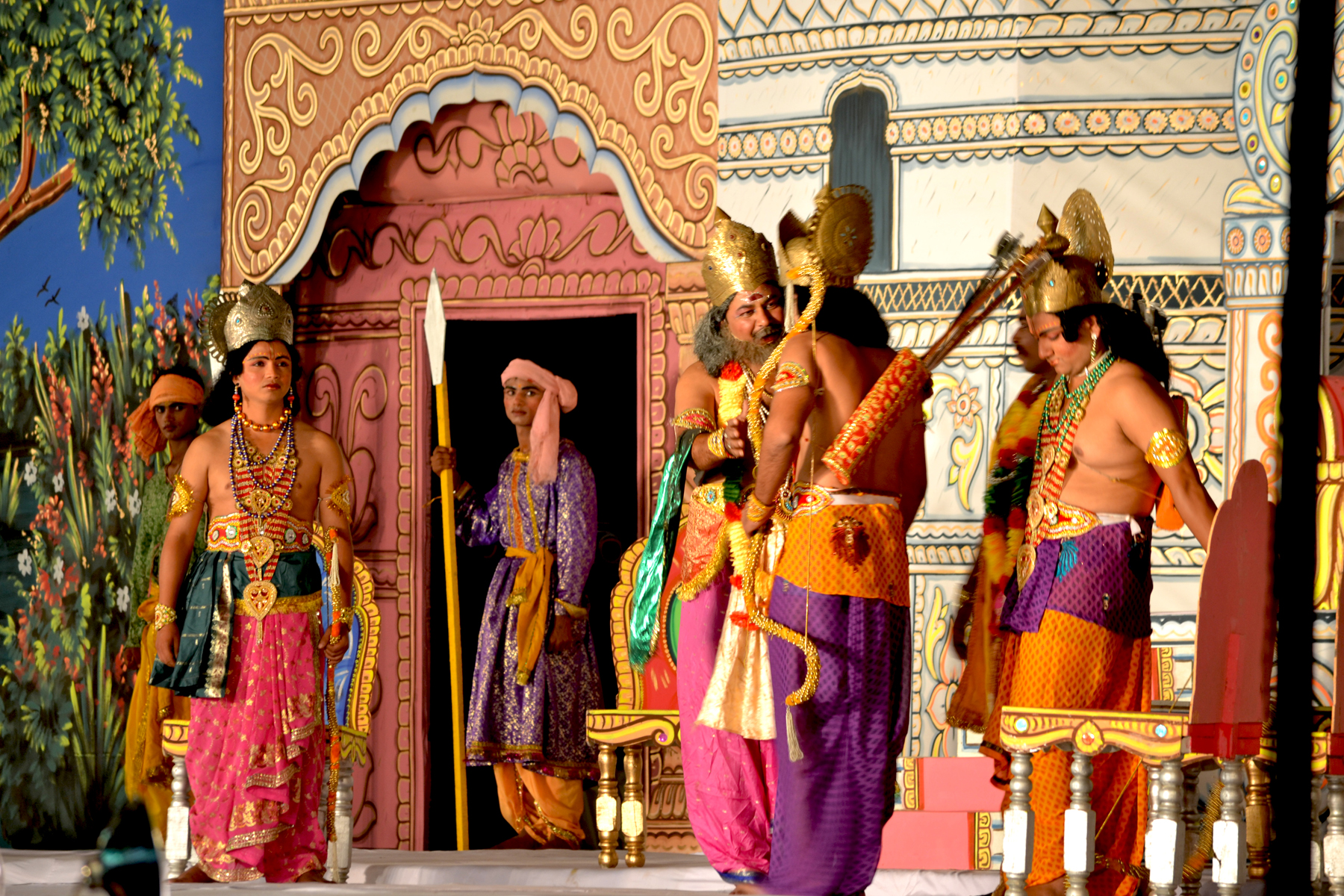
Ramlila
Ramlila is a living performing arts tradition associated with India and documented through UNESCO intangible cultural heritage resources.
View details