Peking opera
Peking opera is a highly stylized Chinese theatre form that combines singing, speech, acting, martial movement, music, costume and symbolic stage action.
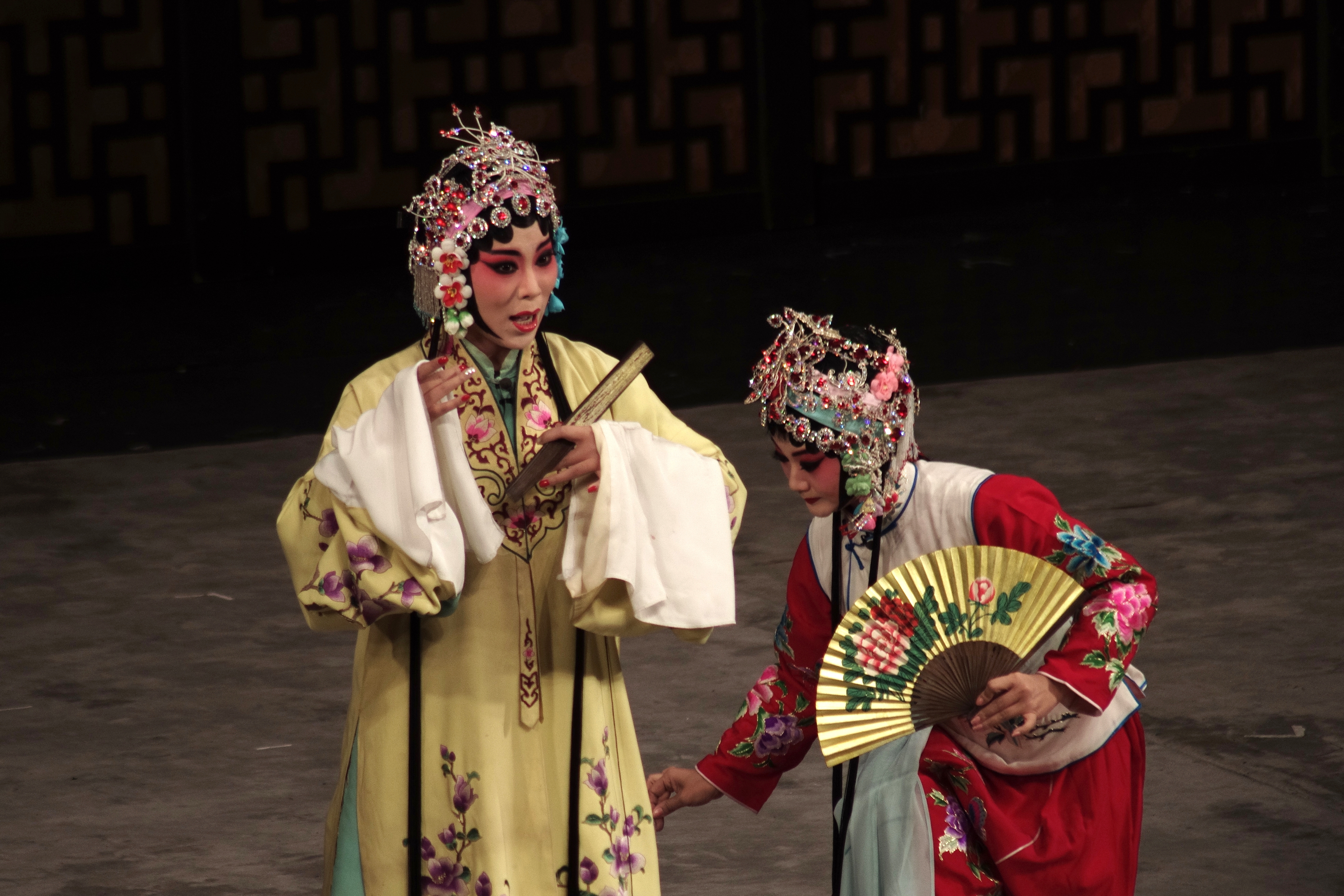
Image: Peach Flower Village Peking Opera 1, by ChenWJ, source, CC BY 2.0
Simple explanation
Peking opera does not try to make the stage look realistic. A whip can suggest a horse, a table can become a mountain or city wall, and a few precise gestures can show entering a room, travelling or fighting.
History
The form took shape in Beijing during the Qing dynasty after regional troupes and vocal styles converged in the capital. Over time it developed role types such as sheng, dan, jing and chou, each with distinctive voices, costumes and performance techniques. Its repertory draws from history, legend, literature and moral drama.
Why it matters
Peking opera is important because it preserves a compact theatrical language that audiences learn to read. It also remains a national symbol of Chinese performance, showing how music, movement and visual codes can carry complex stories with very few stage objects.
Source credibility
Core facts, UNESCO year, source link and image credit have been reviewed.
- Image copyright
- Peach Flower Village Peking Opera 1 · ChenWJ · CC BY 2.0 · Source
- Verification status
- Verified
- UNESCO year
- 2010
Performance system
Peking opera is built from a complete system of singing, speech, acting and martial movement, often summarized as chang, nian, zuo and da. These elements are supported by percussion patterns, string accompaniment, costume conventions and a stage language that audiences learn to recognize.
The main role types include sheng, dan, jing and chou. Each role type has its own vocal color, movement vocabulary, makeup, costume and dramatic function. The performer's task is not realism, but precision: a role must be readable through technique.
Symbolic staging
The stage is usually sparse, but the action can be expansive. A table and two chairs may suggest a palace, courtroom, mountain path or battlefield. A circular walk may represent travel, and a single gesture can open a door, mount a horse or express shock.
This symbolic method allows the audience to participate imaginatively. The beauty of the form lies partly in watching how little material is needed when the code is shared by performers and viewers.
Repertory and memory
The repertory draws from history, legend, novels, military tales, family conflicts and moral dilemmas. Some plays emphasize singing and emotional expression; others focus on acrobatics, combat or comic timing. Together they preserve a broad archive of characters and values.
Famous scenes are transmitted across generations, but each performer also brings timing, vocal quality and interpretive detail. Schools, troupes and master-disciple relationships have therefore been essential to maintaining the living repertory.
Safeguarding needs
Peking opera faces the challenge of making complex codes accessible to new audiences. Younger viewers may enjoy the color and movement but miss the meaning of role types, melodies or stage conventions without guidance.
Safeguarding requires performance opportunities, actor training, musical instruction, subtitled or explained presentations, school outreach and respect for the slow accumulation of skill. The goal is not to freeze the form, but to keep its theatrical language intelligible and alive.
Explore similar heritage
Similar heritage to explore next
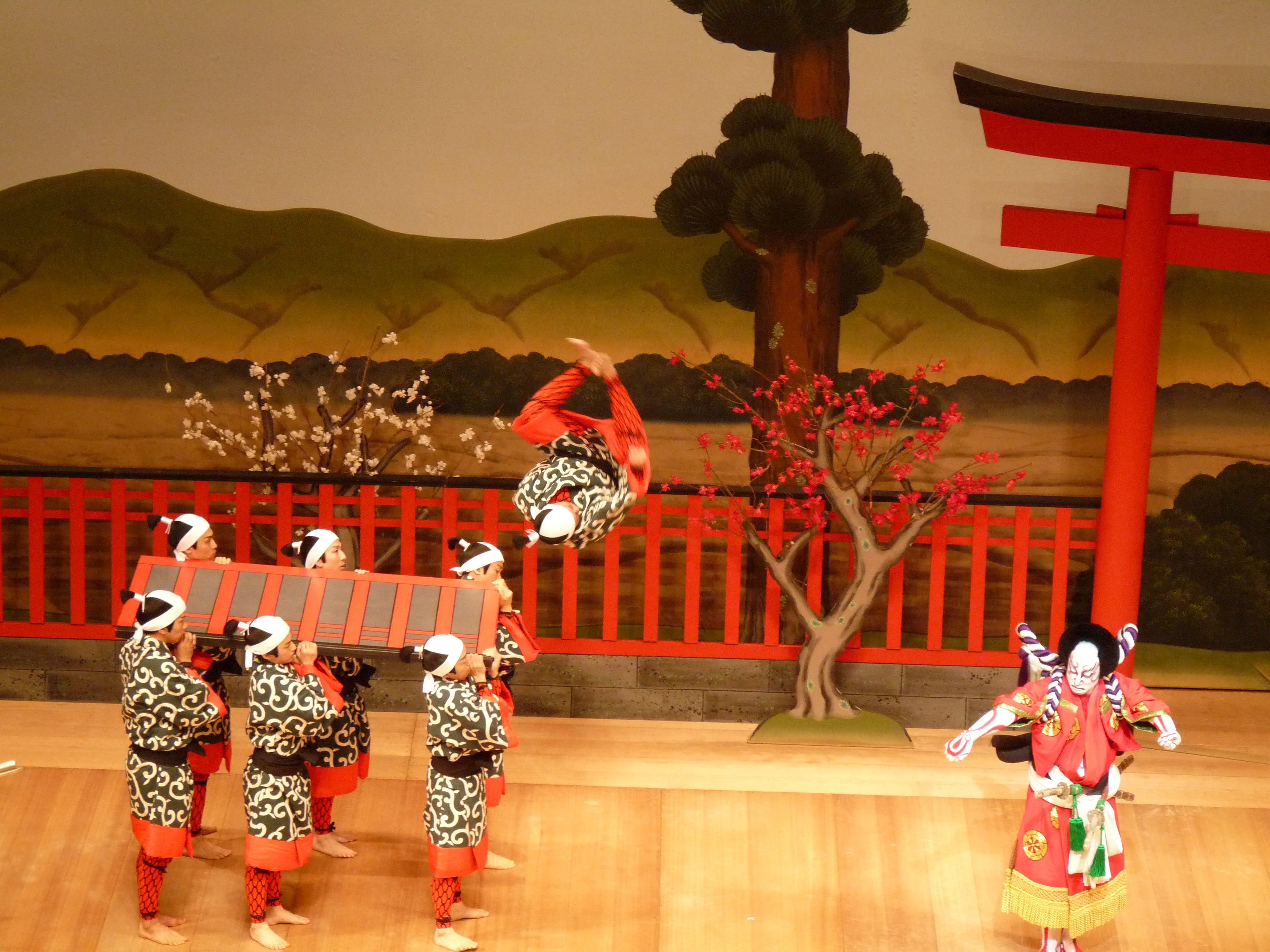
Kabuki theatre
Kabuki theatre is a Japanese performing art known for dramatic poses, bold makeup, elaborate costumes, music and stylized acting that makes emotion visible from the stage.
View details
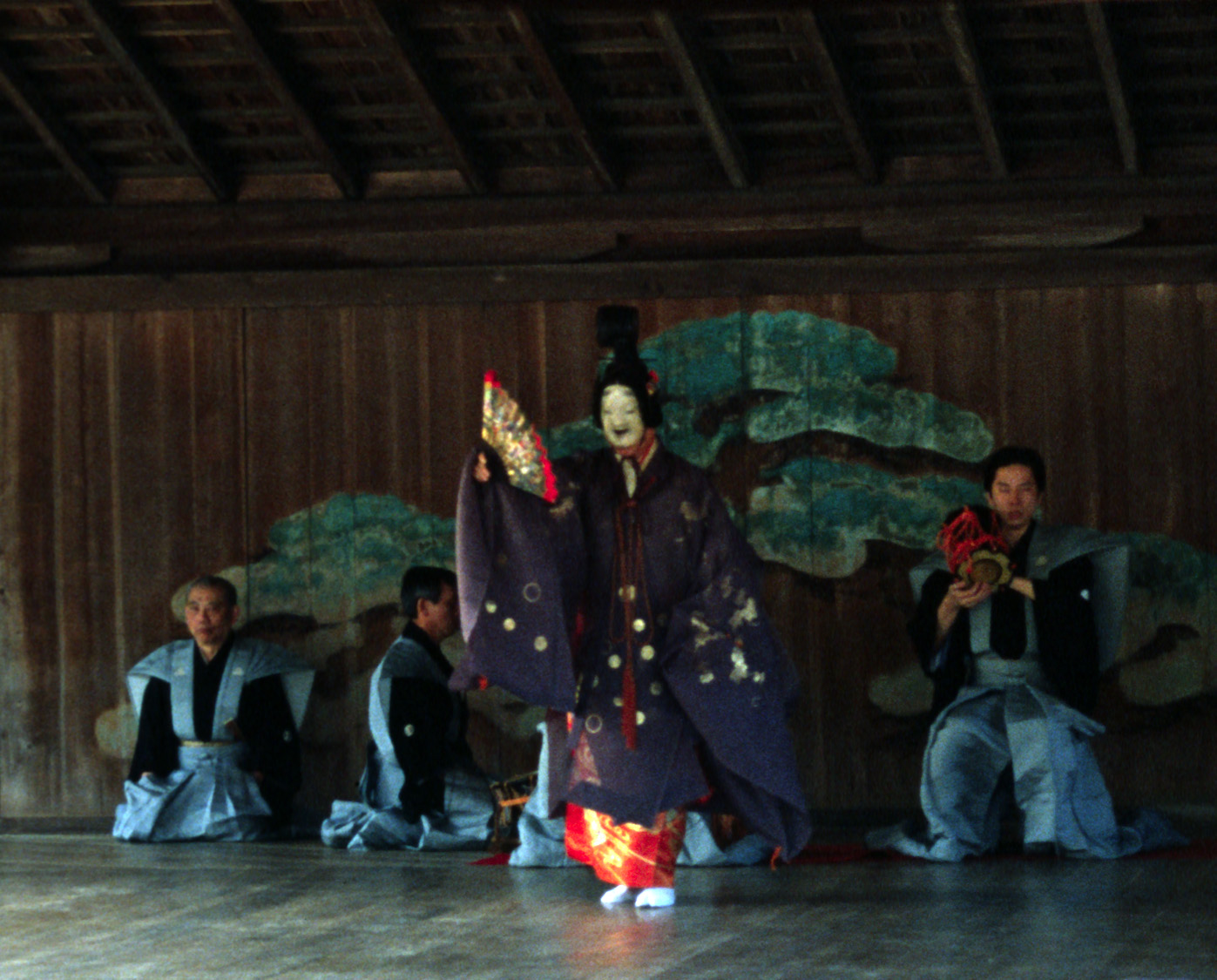
Nohgaku theatre
Nohgaku theatre combines Noh and Kyogen, joining masked dance-drama, chant, music and comic interludes in one of Japan's oldest stage traditions.
View details
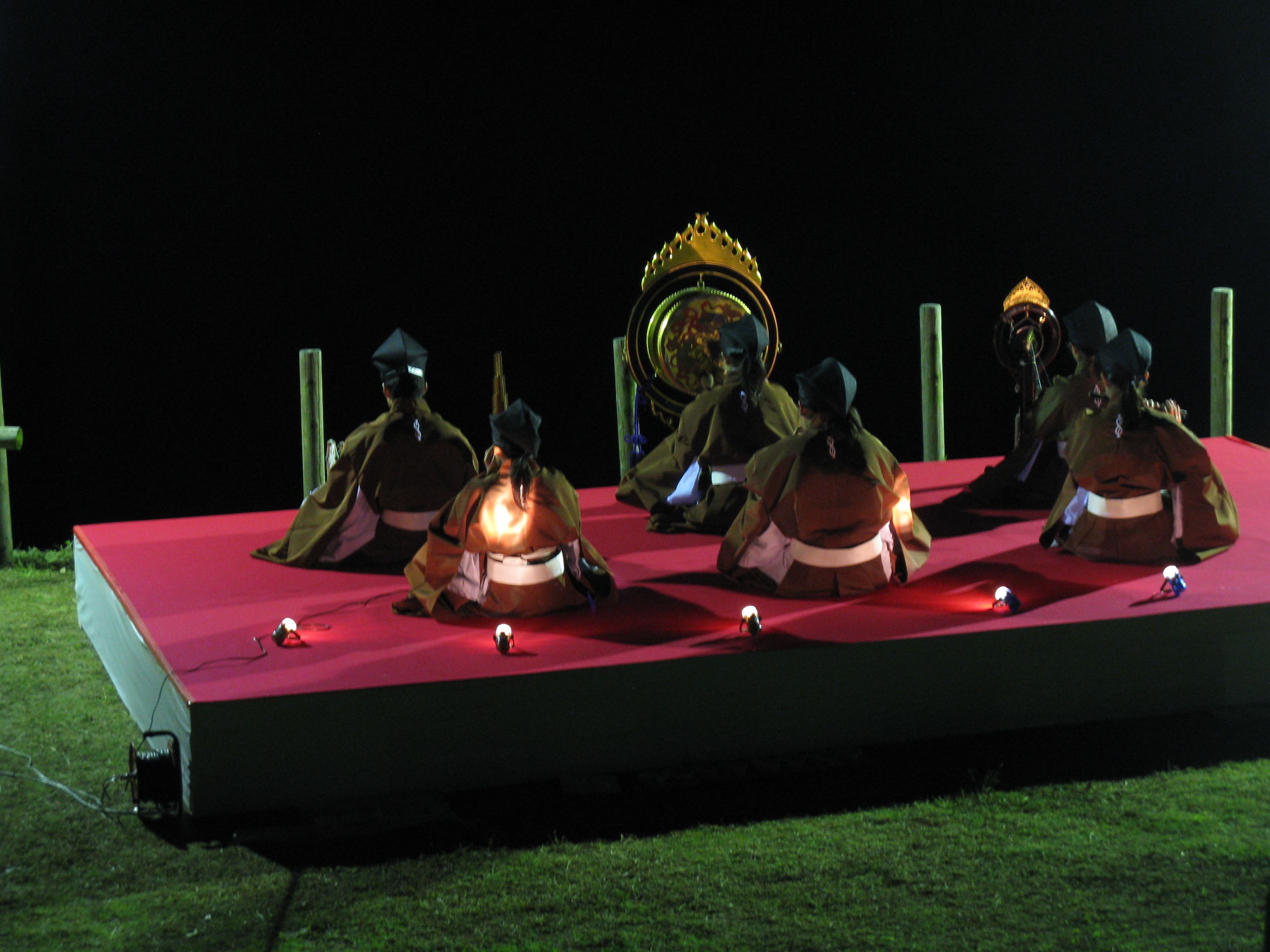
Gagaku
Gagaku is Japanese court music and dance, recognized for its slow tempo, layered wind and string sounds, ritual atmosphere and long connection to imperial and ceremonial life.
View details
Arirang folk song
Arirang folk song is a living performing arts tradition associated with Korea and documented through UNESCO intangible cultural heritage resources.
View details