Nohgaku theatre
Nohgaku theatre combines Noh and Kyogen, joining masked dance-drama, chant, music and comic interludes in one of Japan's oldest stage traditions.
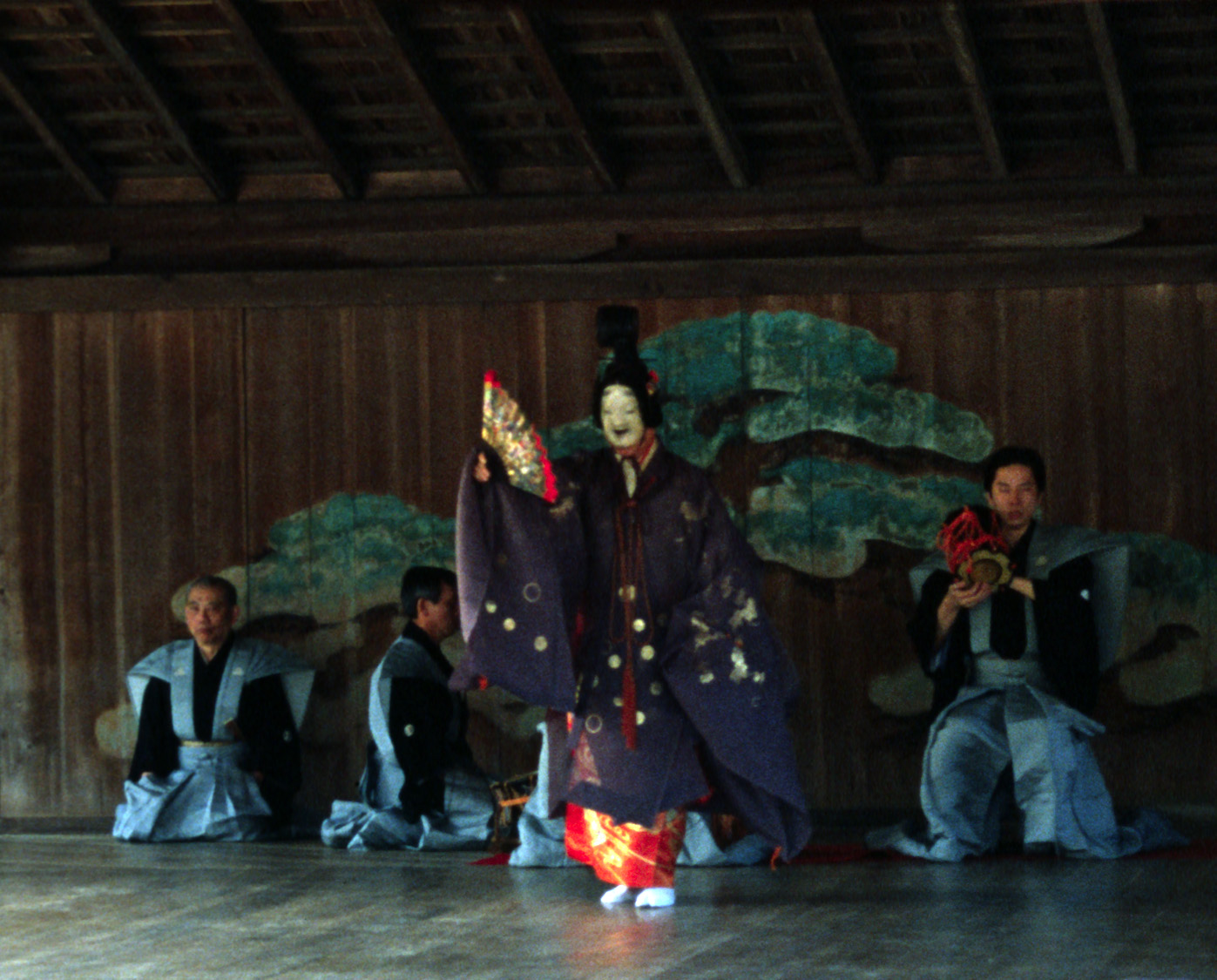
Image: Noh5, by Fg2, source, Public domain
Simple explanation
Noh often moves slowly and symbolically. A masked actor may suggest a spirit, warrior, woman or deity through restrained movement, chant and posture, while Kyogen brings spoken comedy and everyday situations.
History
Nohgaku developed from medieval performance practices and was refined by actor-playwrights such as Kan'ami and Zeami. It became connected to warrior patronage, shrine and temple settings, and hereditary schools of performance. Its texts often draw from classical literature, memory, dreams and encounters between the living and the dead.
Why it matters
It matters because it preserves an unusually concentrated form of theatre where small changes in movement, mask angle or chant can transform meaning. Nohgaku also shows how sacred space, literature and professional training can remain linked over centuries.
Source credibility
Core facts, UNESCO year, source link and image credit have been reviewed.
- Image copyright
- Noh5 · Fg2 · Public domain · Source
- Verification status
- Verified
- UNESCO year
- 2008
Noh and Kyogen
Nohgaku includes both Noh and Kyogen. Noh is a masked music-and-dance drama with restrained movement, poetic language and themes of memory, longing, spirits and transformation. Kyogen is comic theatre using spoken dialogue and everyday situations.
Together they create contrast: solemnity and humor, chant and speech, otherworldly figures and ordinary human behavior. This pairing is part of the tradition's theatrical balance.
Masks, movement and music
A Noh mask is not a fixed expression; its meaning changes with angle, light and movement. A slight downward tilt can suggest sorrow, while an upward tilt can brighten the face. The performer must make the mask appear alive through the body.
Music is performed with flute and drums, while the chorus supports narration and emotional atmosphere. Movement is slow, precise and concentrated, asking the audience to notice small changes rather than constant action.
Texts and cultural memory
Noh plays often draw from classical literature, Buddhist thought, warrior tales and local legends. Many plays are structured around encounters in which a traveller meets a mysterious figure who later reveals a hidden identity or unresolved memory.
This structure makes Noh a theatre of remembrance. Places, poems, spirits and historical events are brought into the present through performance.
Transmission
Nohgaku is transmitted through hereditary schools, teachers, families, rehearsal practice and professional stages. Training begins with posture, walking, chant and basic forms before a performer approaches major roles.
Safeguarding depends on maintaining schools, stages, masks, costumes, instruments and audiences capable of entering the slow time of the performance.
Explore similar heritage
Similar heritage to explore next
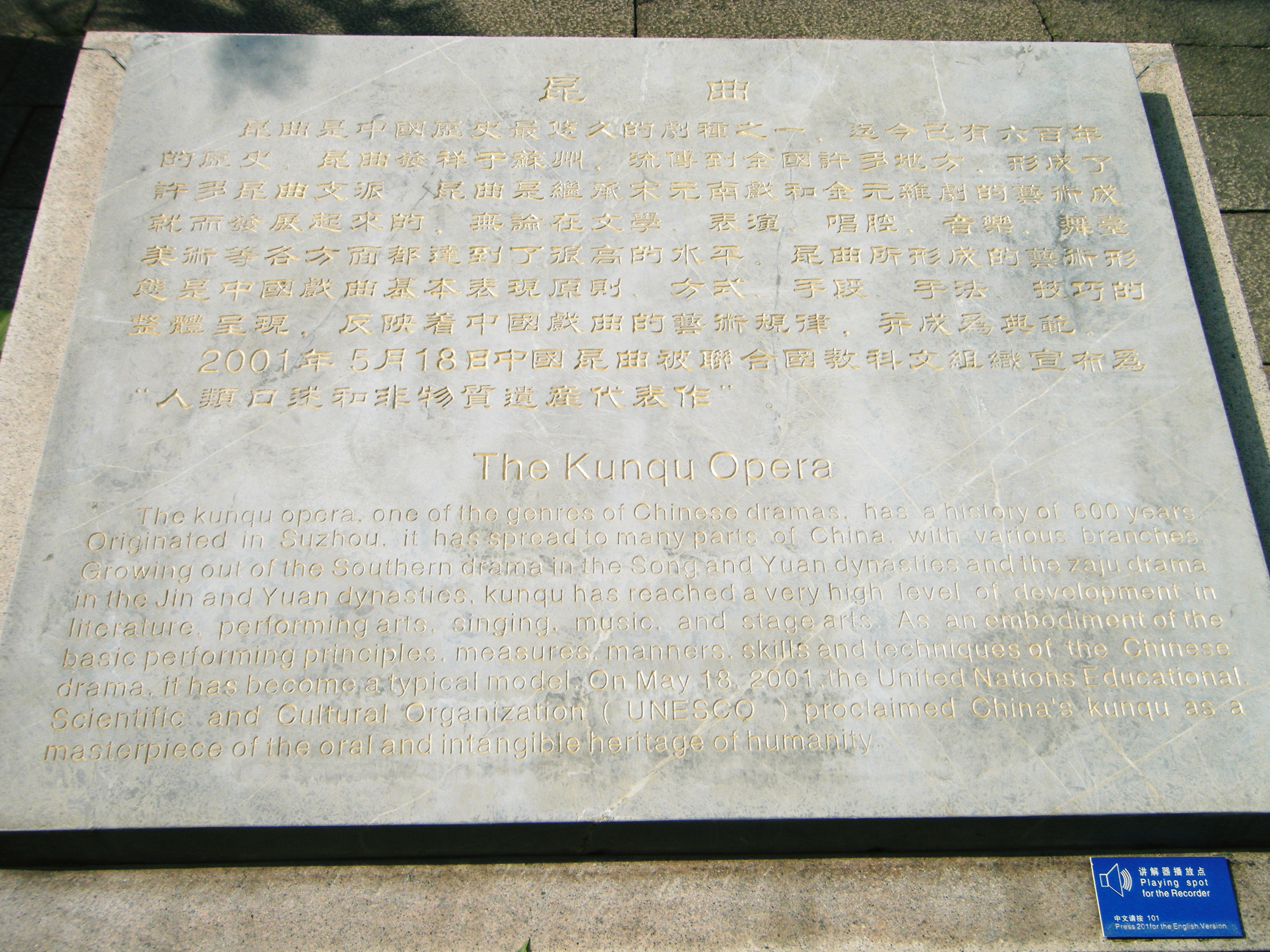
Kunqu Opera
Kunqu Opera is one of China's oldest surviving theatrical traditions, known for refined singing, elegant movement, poetic language and a repertory that shaped later Chinese opera forms.
View details
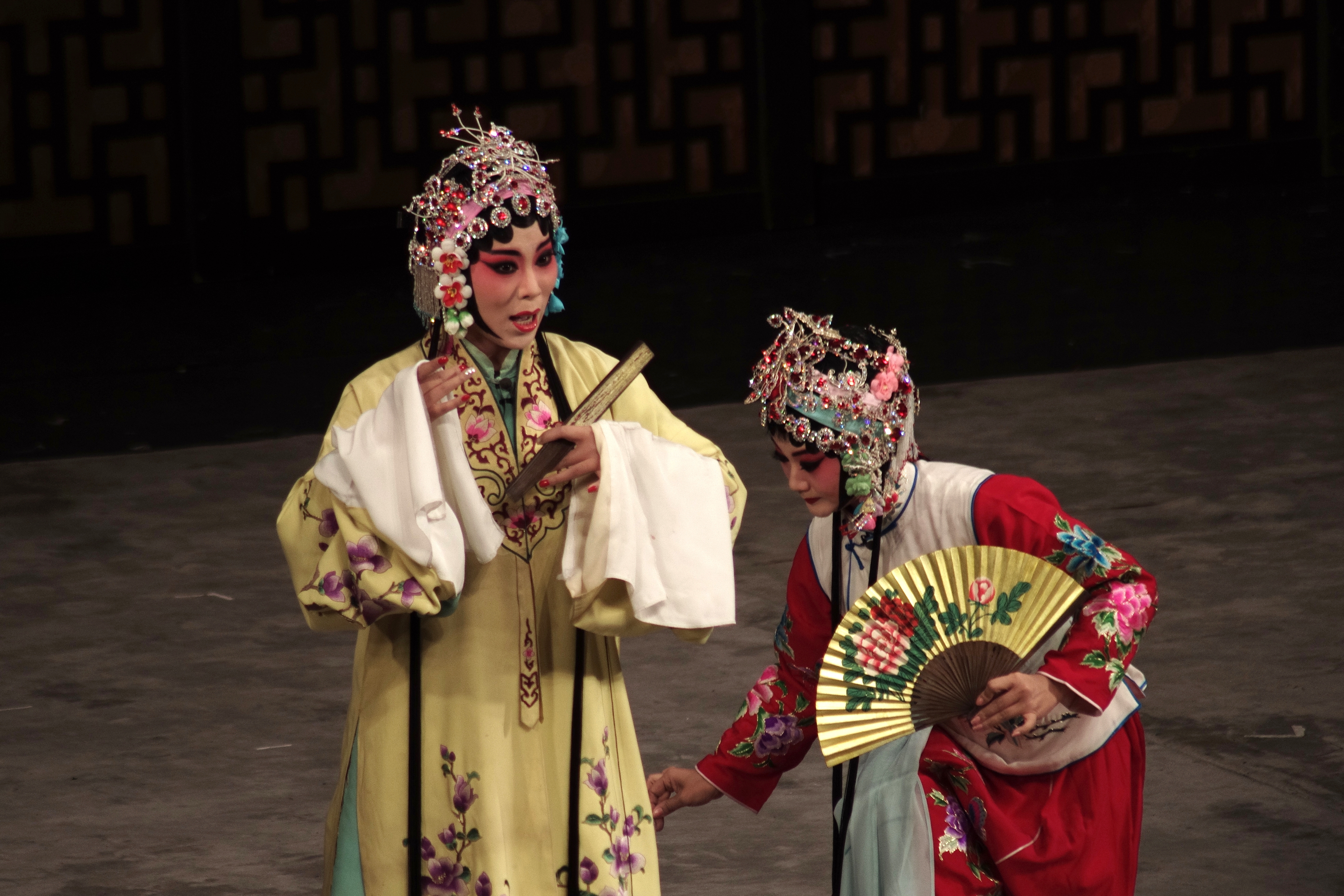
Peking opera
Peking opera is a highly stylized Chinese theatre form that combines singing, speech, acting, martial movement, music, costume and symbolic stage action.
View details
Arirang folk song
Arirang folk song is a living performing arts tradition associated with Korea and documented through UNESCO intangible cultural heritage resources.
View details
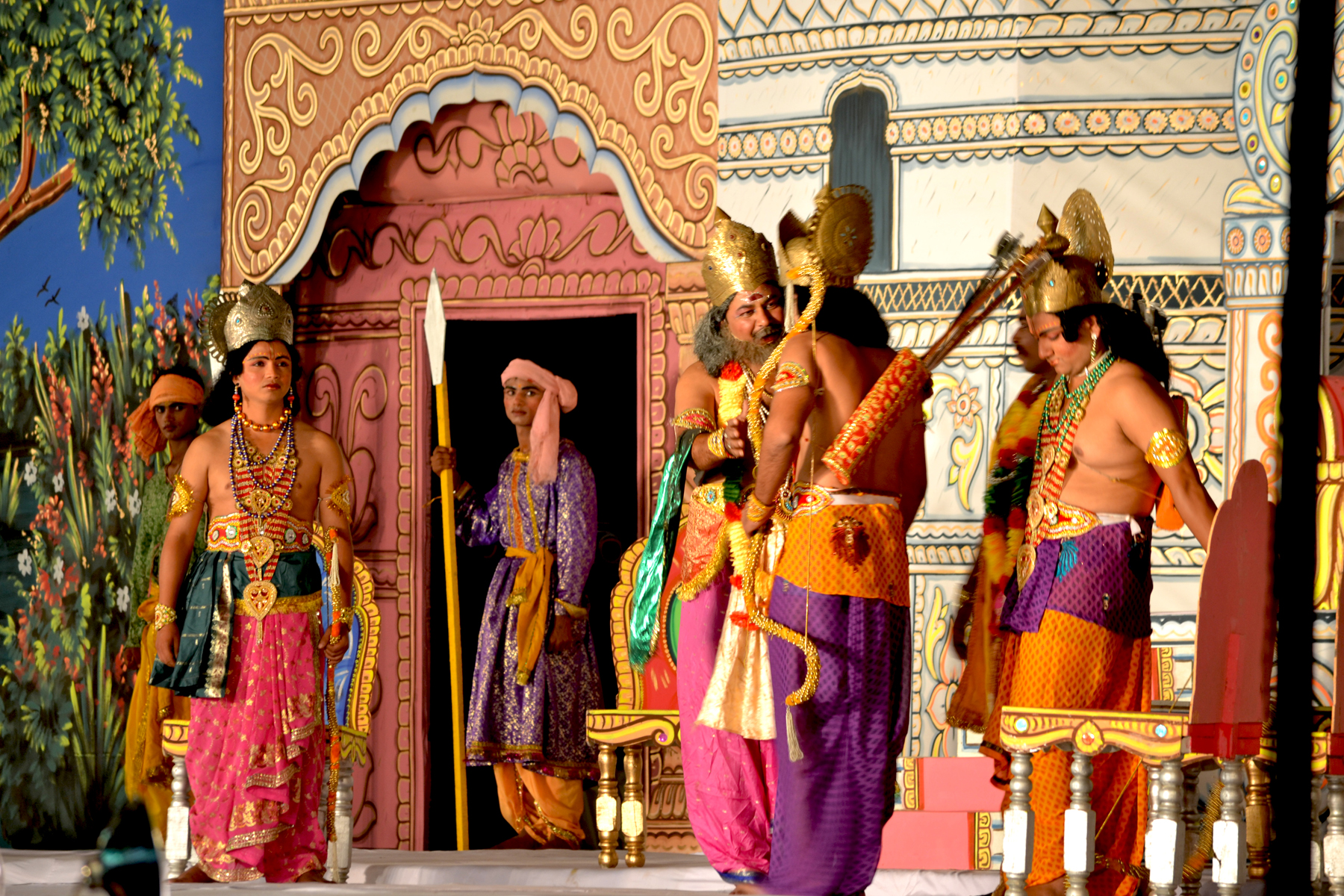
Ramlila
Ramlila is a living performing arts tradition associated with India and documented through UNESCO intangible cultural heritage resources.
View details