Kimjang
Kimjang is a living food culture tradition associated with Korea and documented through UNESCO intangible cultural heritage resources.
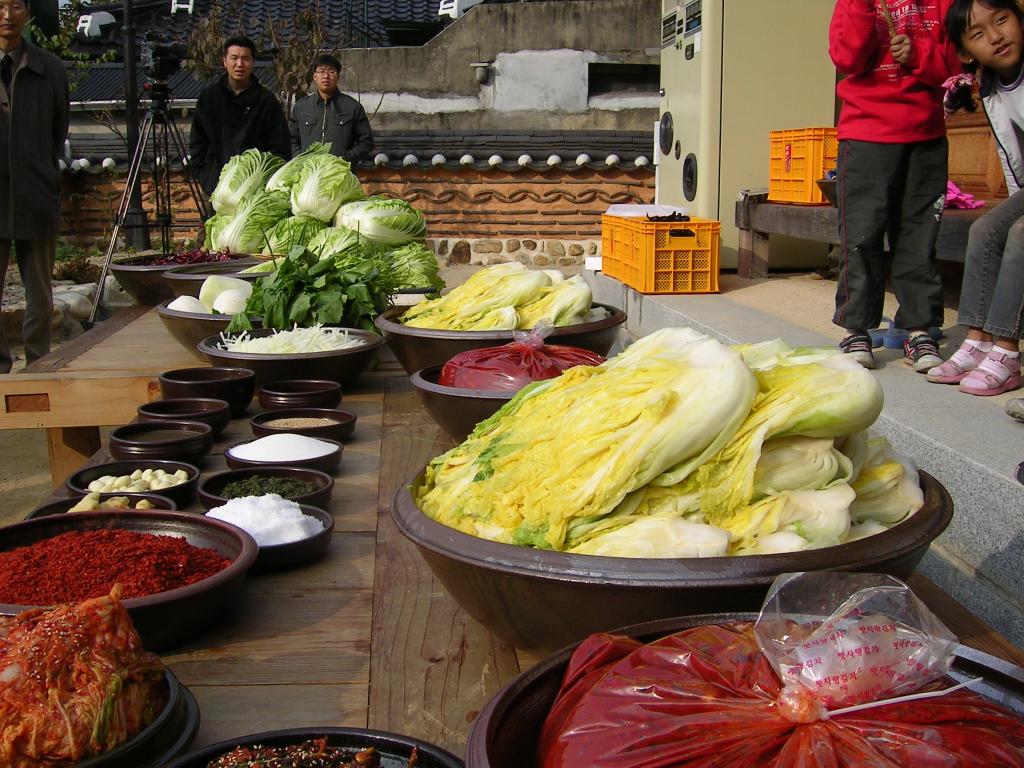
Image: Korean cuisine Gimjang Preparation for making kimchi 01, by by Caroline Knox at flickr, source, CC BY-SA 3.0
Simple explanation
In simple terms, it shows how communities pass on food culture through practice, teaching, shared memory and public occasions.
History
The tradition has been shaped by local communities over generations and continues through families, masters, performers, ritual specialists or everyday practitioners.
Why it matters
It keeps cultural knowledge visible, supports community identity and gives younger generations a practical way to learn inherited skills.
Source credibility
Core facts, UNESCO year, source link and image credit have been reviewed.
- Source link
- https://ich.unesco.org/en/RL/kimjang-making-and-sharing-kimchi-in-the-republic-of-korea-00881
- Image copyright
- Korean cuisine Gimjang Preparation for making kimchi 01 · by Caroline Knox at flickr · CC BY-SA 3.0 · Source
- Verification status
- Verified
- UNESCO year
- 2013
Explore similar heritage
Similar heritage to explore next
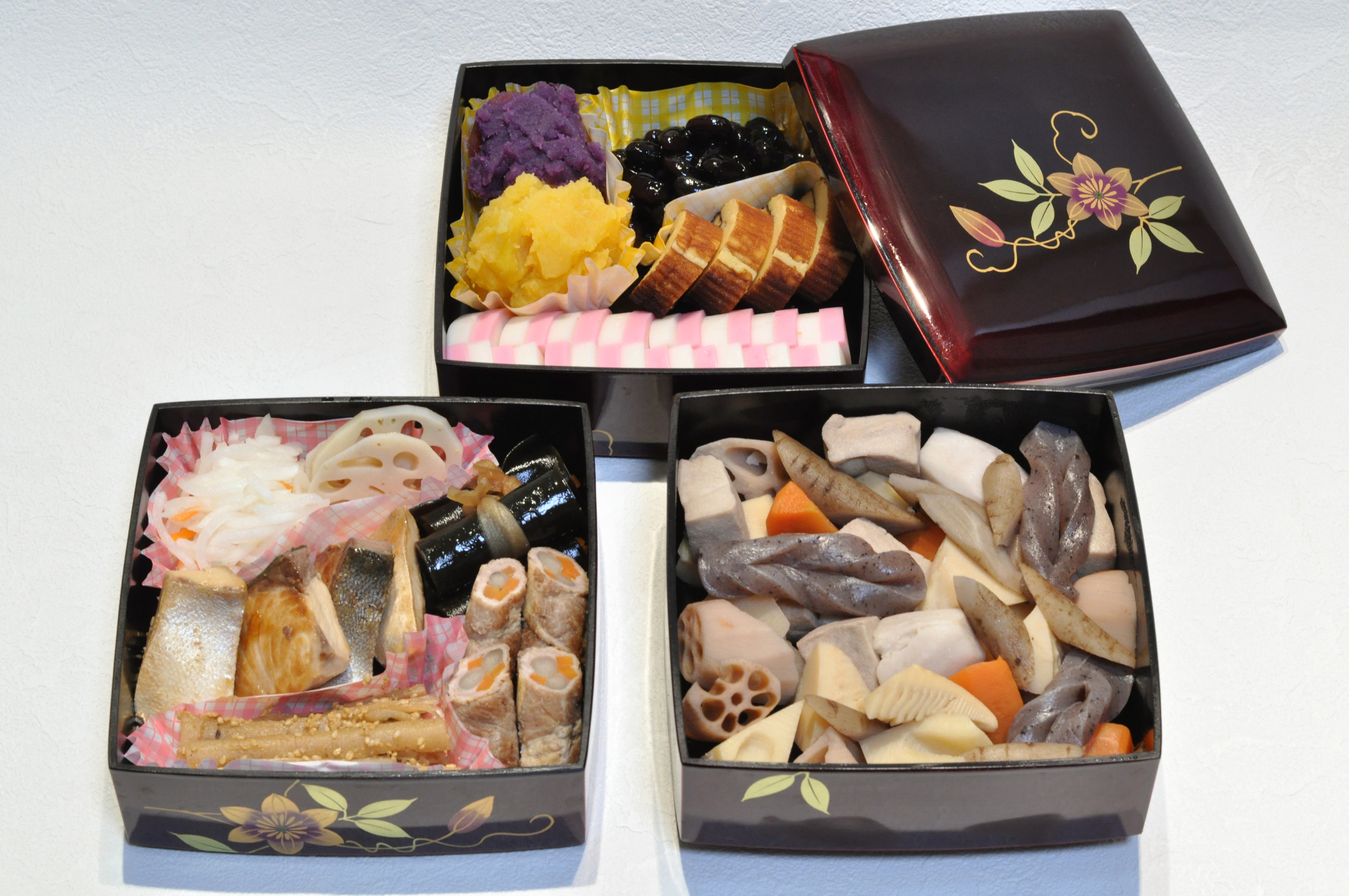
Washoku
Washoku refers to traditional Japanese dietary culture, especially the knowledge of seasonal ingredients, balanced presentation, shared meals and food customs around New Year.
View details
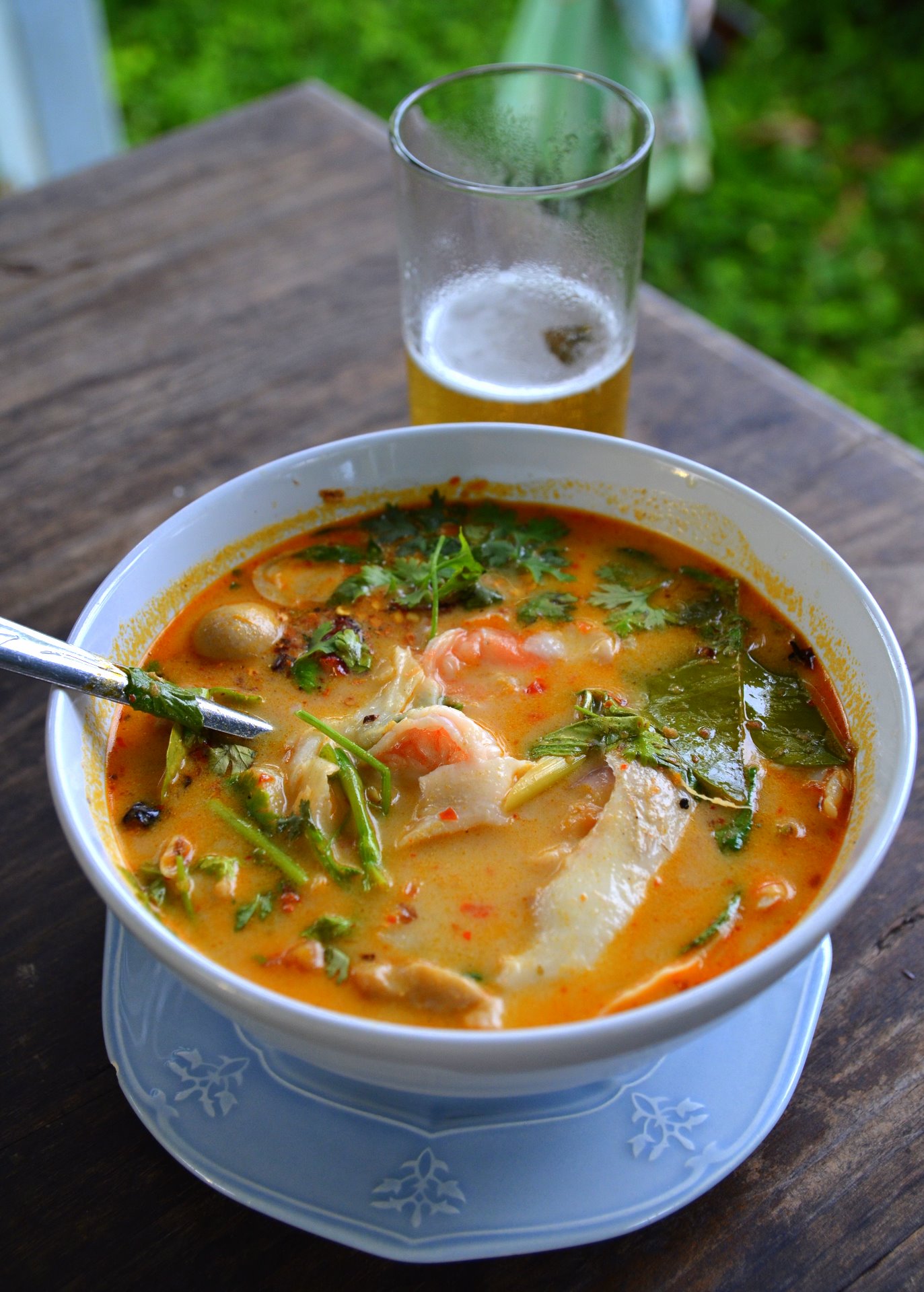
Tomyum Kung
Tomyum Kung is a living food culture tradition associated with Thailand and documented through UNESCO intangible cultural heritage resources.
View details

Ancient Georgian Qvevri wine-making method
This entry is published with source metadata but has not completed manual review.
Ancient Georgian Qvevri wine-making method is a living food culture tradition associated with Georgia and documented through UNESCO intangible cultural heritage resources.
View details
Gastronomic meal of the French
This entry is published with source metadata but has not completed manual review.
Gastronomic meal of the French is a living food culture tradition associated with France and documented through UNESCO intangible cultural heritage resources.
View details