Washoku
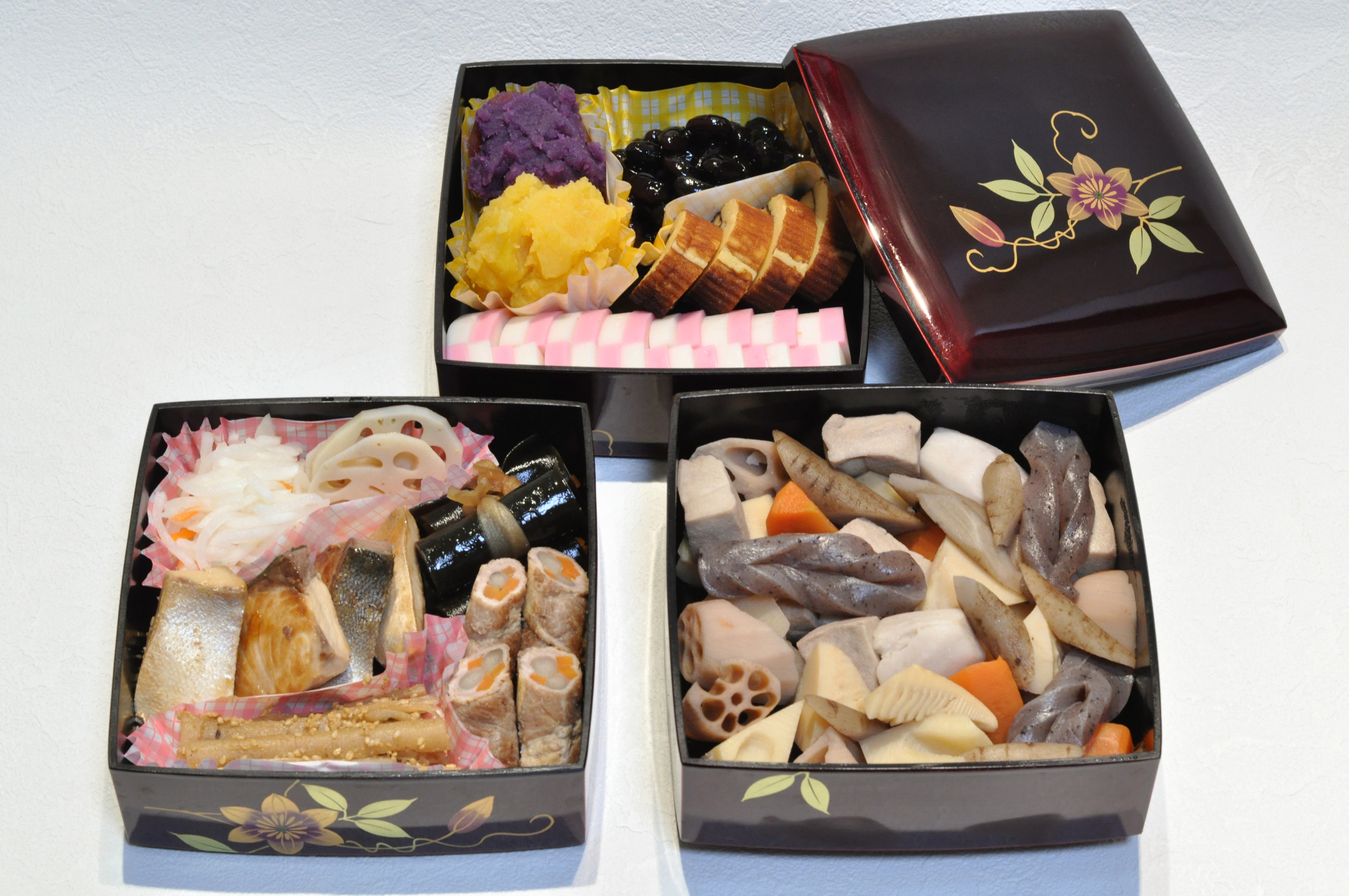
Washoku refers to traditional Japanese dietary culture, especially the knowledge of seasonal ingredients, balanced presentation, shared meals and food customs around New Year.
Simple explanation
Washoku is more than a list of dishes. It is a way of arranging food around season, color, texture, vessels and social occasion, so a meal can express care, gratitude and the time of year.
History
Japanese food culture has been shaped by rice agriculture, regional ingredients, Buddhist and court traditions, household cooking and seasonal festivals. New Year foods such as osechi ryori show how symbolic ingredients, preservation techniques and family gathering come together. The tradition continues through home cooking, restaurants, markets and education about local produce.
Why it matters
It matters because food is one of the most direct ways people inherit culture. Washoku links farming, cooking, table manners, seasonal awareness and family memory, making everyday meals part of a larger cultural system.
Source credibility
Core facts, UNESCO year, source link and image credit have been reviewed.
- Image copyright
- Osechi 001 · Ocdp · CC0 1.0 · Source
- Verification status
- Verified
- UNESCO year
- 2013
Food as cultural practice
Washoku is a way of organizing food around season, balance, place and social relationship. It is not limited to famous dishes; it includes choosing ingredients, preparing them with restraint, arranging them with attention to color and vessel, and sharing them according to occasion.
The idea of seasonality is central. Ingredients, tableware and presentation often point to a particular moment in the year, making the meal a small expression of landscape and time.
New Year and symbolic foods
The UNESCO inscription places special emphasis on New Year celebrations, where foods such as osechi ryori carry symbolic meanings. Ingredients may suggest longevity, fertility, diligence, prosperity or protection, and the act of preparing and sharing them connects family members across generations.
These foods also reflect preservation techniques and household planning. Preparing dishes ahead of the New Year allows families to welcome the holiday with order, hospitality and shared memory.
Regional diversity
Washoku is not uniform. Coastal, mountain, rural and urban communities all draw on different ingredients and techniques. Rice, soup, pickles, fish, vegetables and fermented foods appear in many combinations, shaped by local climate and history.
Restaurants, home kitchens, markets, school meals and community events all help transmit knowledge. The tradition lives through everyday repetition as much as through formal cuisine.
Current challenges
Challenges include changes in household cooking, reliance on processed food, loss of local food knowledge and environmental pressure on fisheries and farms. As food culture becomes globalized, some seasonal and regional practices can become less familiar.
Safeguarding Washoku means supporting local producers, teaching cooking skills, valuing family and community meals, and explaining the cultural logic behind ingredients and presentation.
Explore similar heritage
Similar heritage to explore next
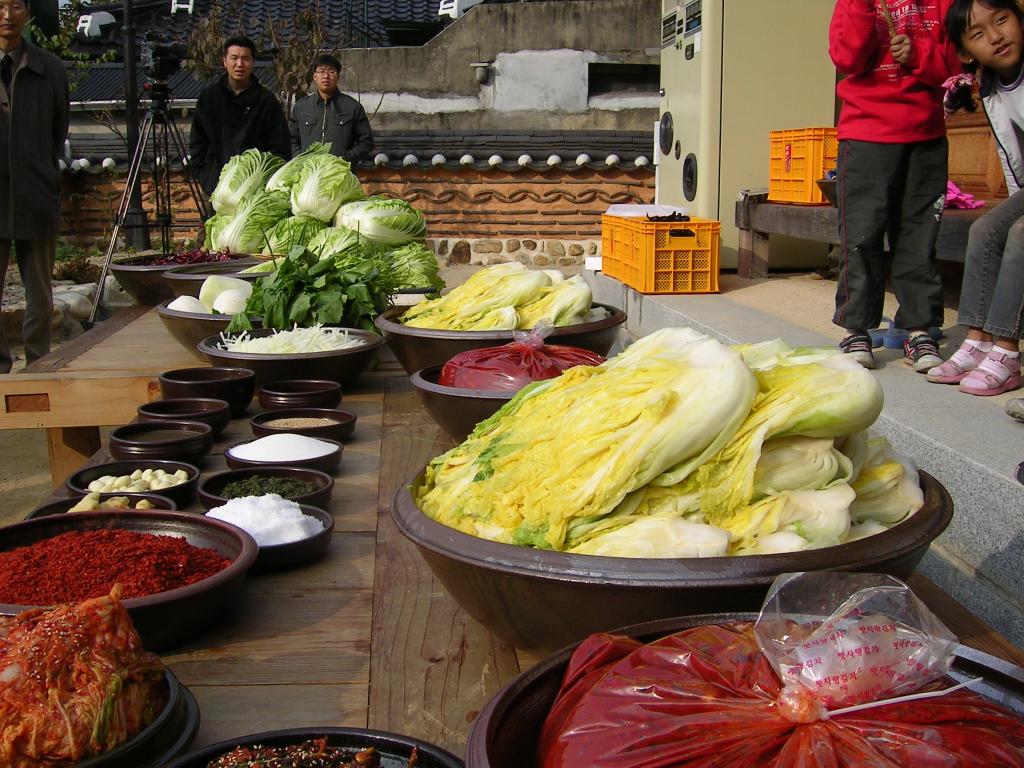
Kimjang
Kimjang is a living food culture tradition associated with Korea and documented through UNESCO intangible cultural heritage resources.
View details
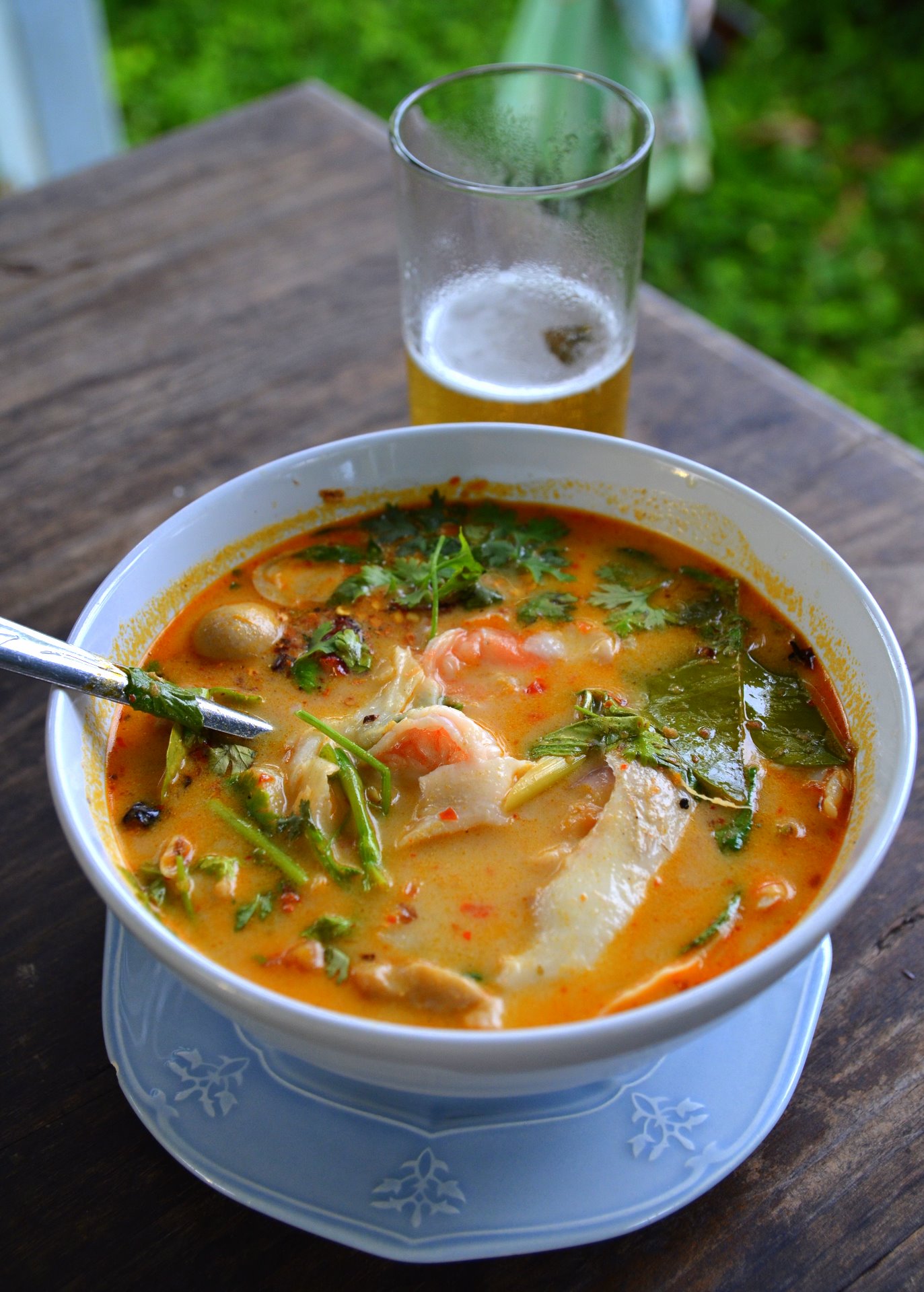
Tomyum Kung
Tomyum Kung is a living food culture tradition associated with Thailand and documented through UNESCO intangible cultural heritage resources.
View details

Ancient Georgian Qvevri wine-making method
This entry is published with source metadata but has not completed manual review.
Ancient Georgian Qvevri wine-making method is a living food culture tradition associated with Georgia and documented through UNESCO intangible cultural heritage resources.
View details
Gastronomic meal of the French
This entry is published with source metadata but has not completed manual review.
Gastronomic meal of the French is a living food culture tradition associated with France and documented through UNESCO intangible cultural heritage resources.
View details